CD11b antibody
Principal name
CD11b antibody
Alternative names for CD11b antibody
ITGAM, CR3A, CR-3 alpha chain, Integrin alpha-M, MAC1, Leukocyte adhesion receptor MO1, Neutrophil adherence receptor, Cell surface glycoprotein MAC-1 subunit alpha, CD11 antigen-like family member B
Ncbi ID
NP_000623.2, 10116, 9606, 10090, NP_001076062, NP_001076062.1, NP_000623, NM_000632
Available reactivities
Available hosts
Available applications
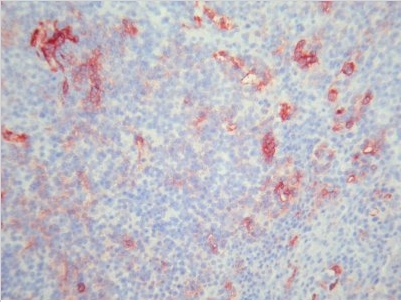
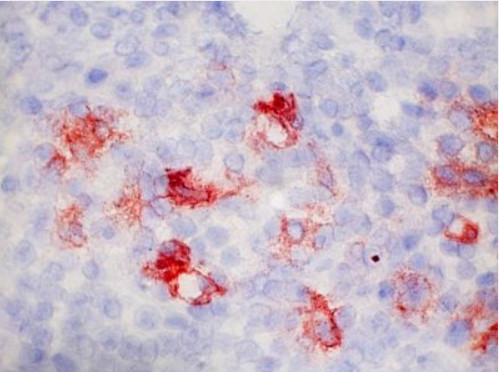
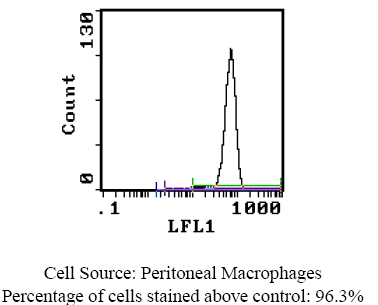
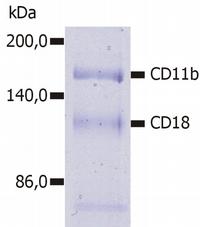
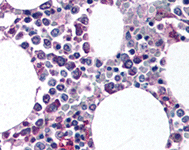
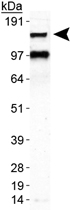
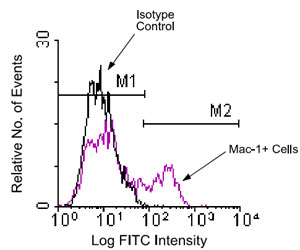
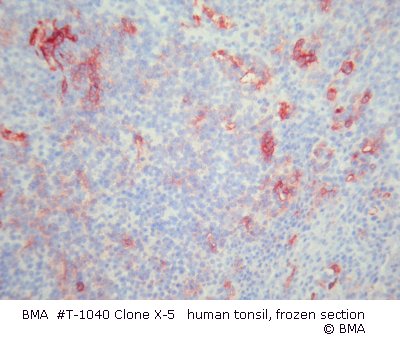
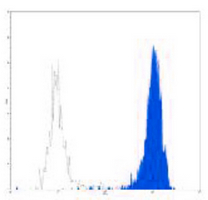
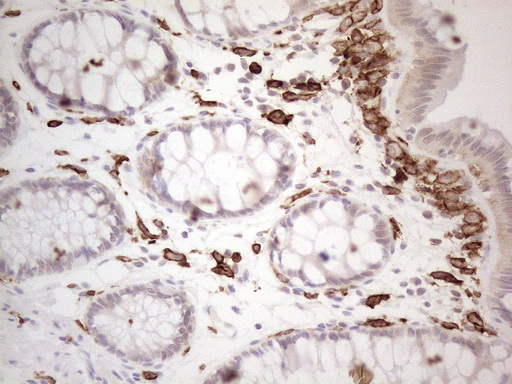
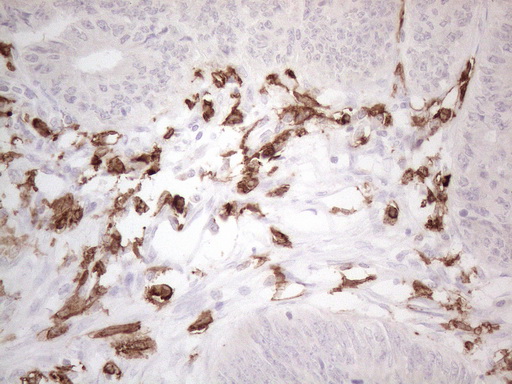
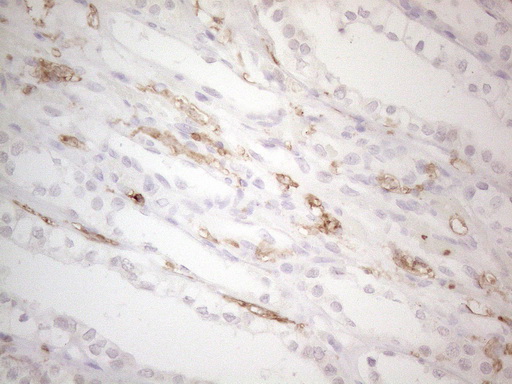
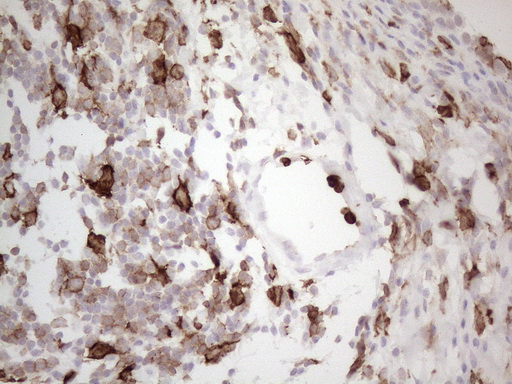
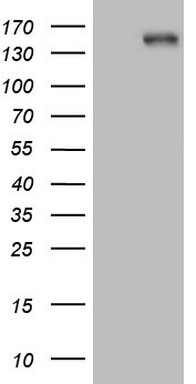
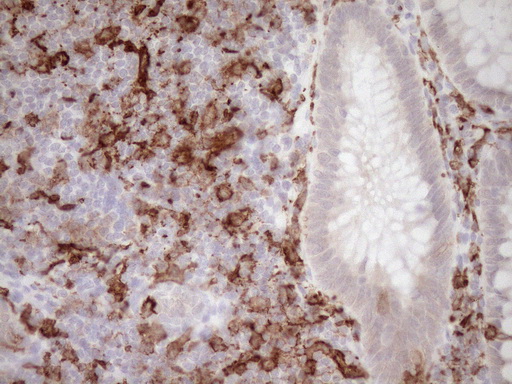
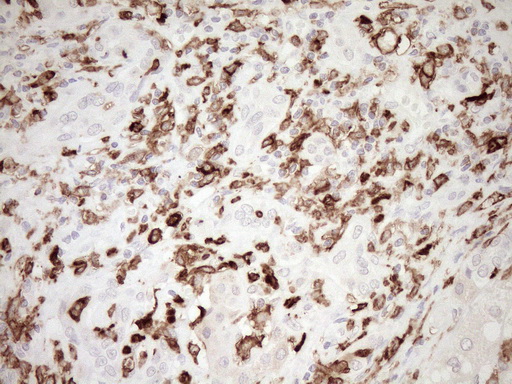
Frozen Sections (C), Flow Cytometry (F), Functional assay (FN), Immunoprecipitation (IP), Immunocytochemistry/Immunofluorescence (ICC/IF), Paraffin Sections (P), Western blot / Immunoblot (WB), Enzyme Immunoassay (E)
Background of CD11b antibody
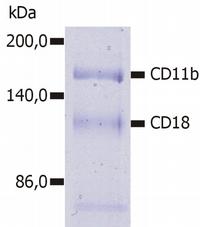
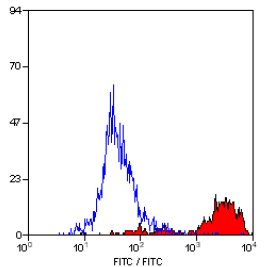
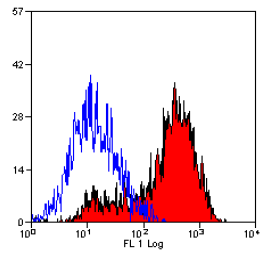
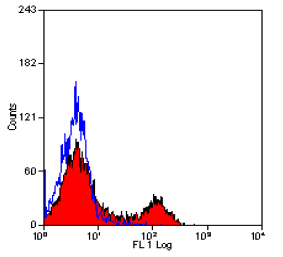
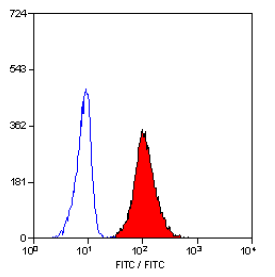
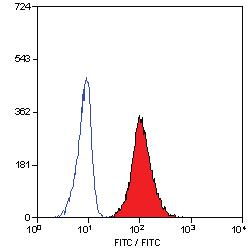
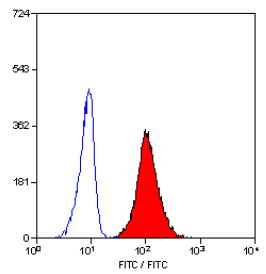
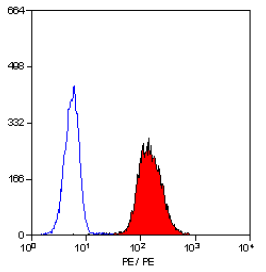
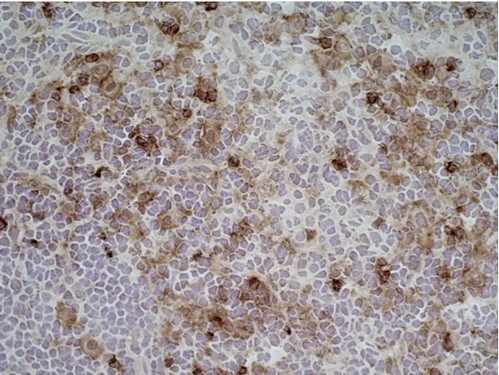
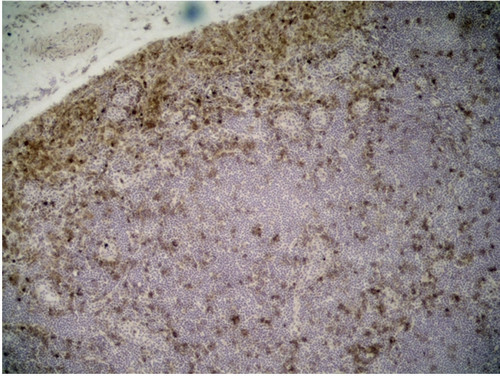
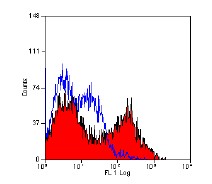
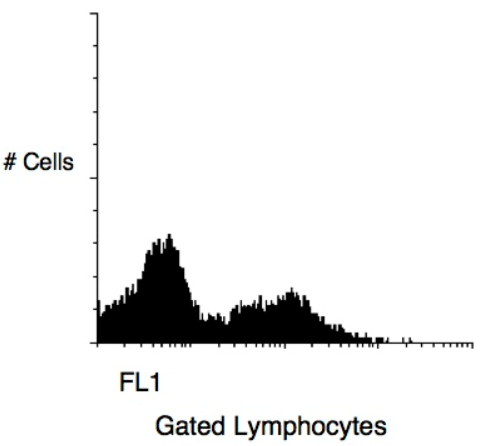
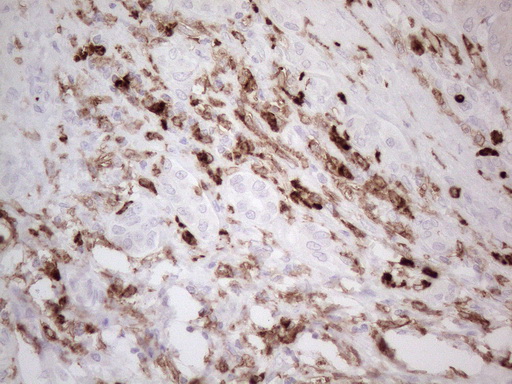
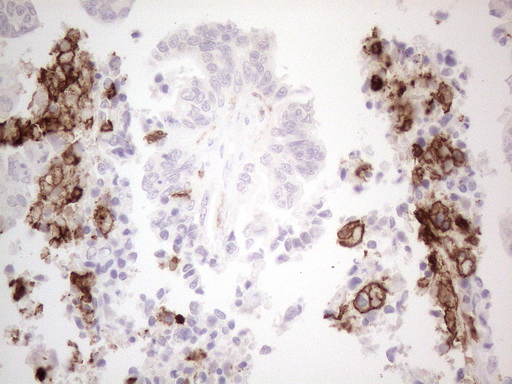
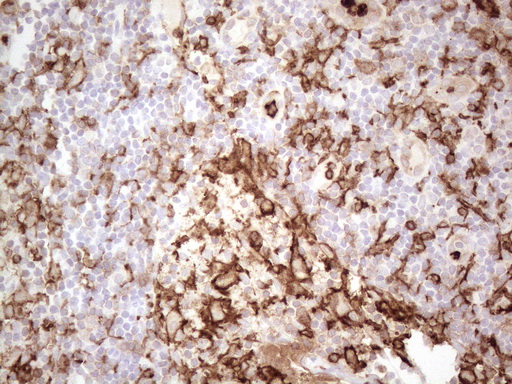
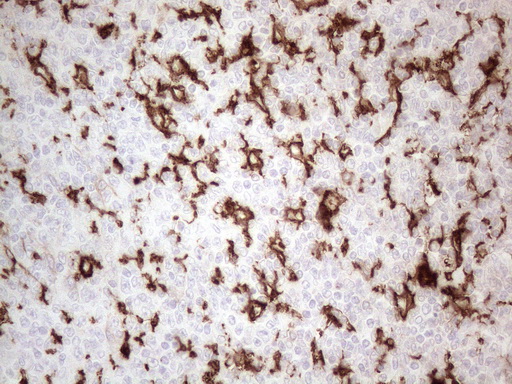
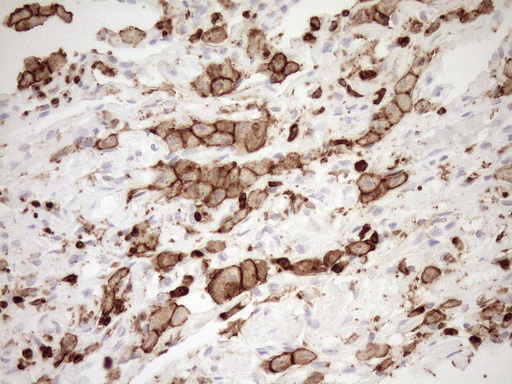
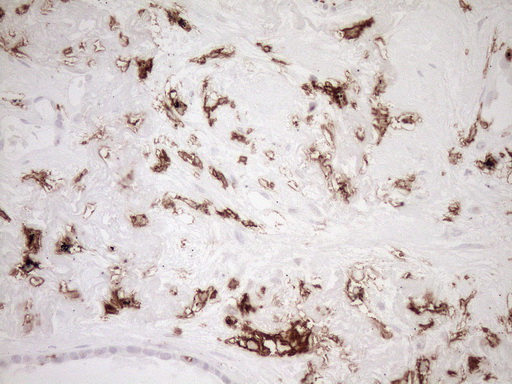
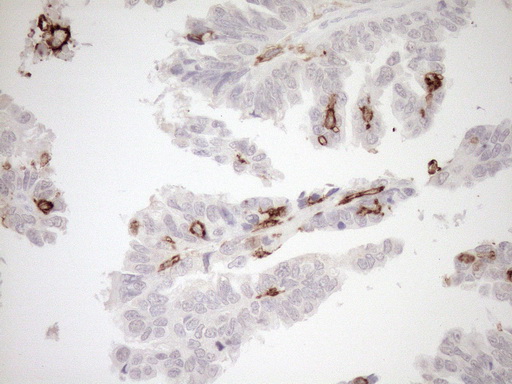
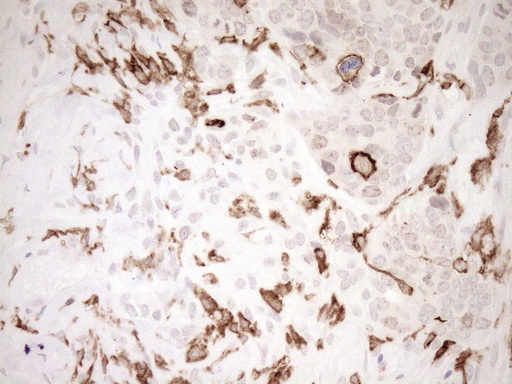
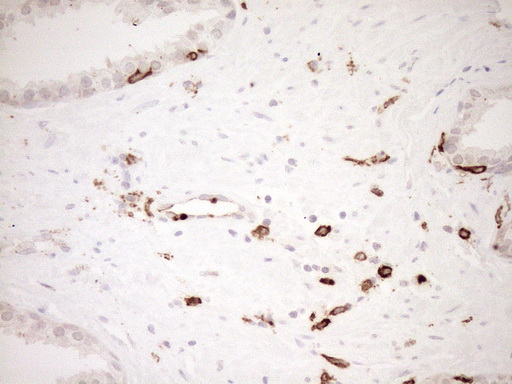
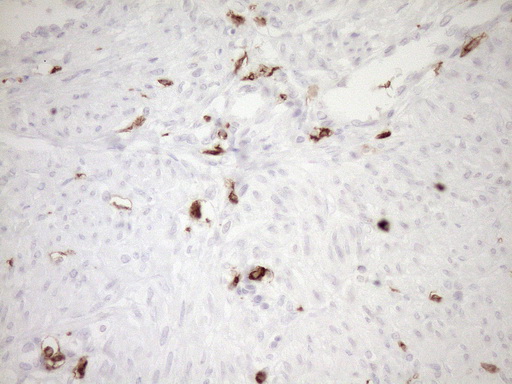
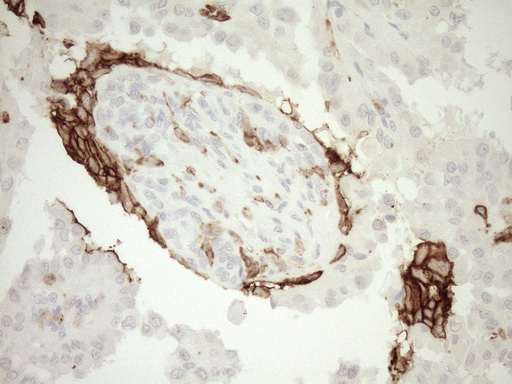
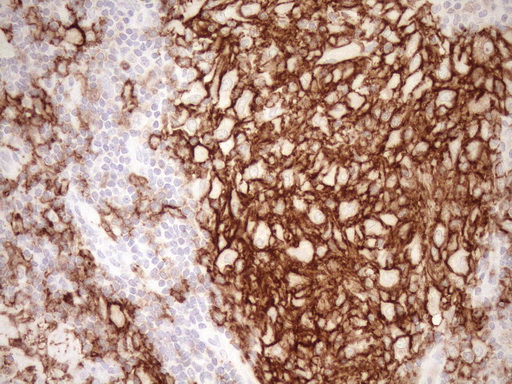
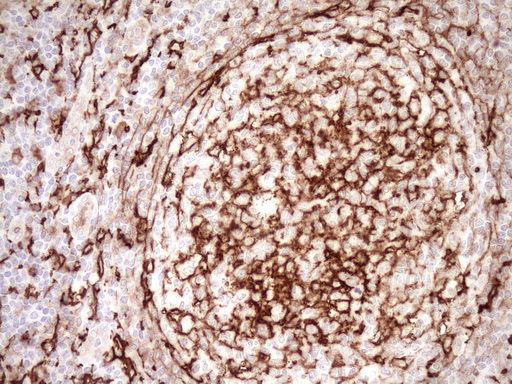
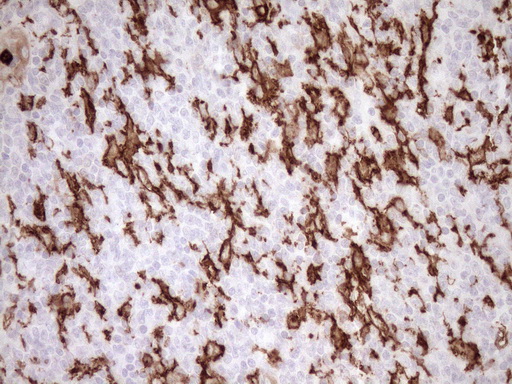
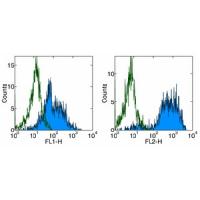
The CBRM1/5 monoclol antibody reacts with an activation-specific epitope of human Mac-1. CBRM1/5 binds a subset of Mac-1 molecules on neutrophils and monocytes after stimulation with chemoattractants or phorbol esters but does not recognize Mac-1 on resting myeloid cells. Through interactions with its ligands, Mac-1 participates in adhesive cell interactions. The epitope recognized by this mAb localizes to the I domain on the α chain of Mac-1 very close to the ligand binding site in a region that is widely exposed. CBRM1/5 blocks Mac-1 dependent adhesion to fibrinogen and ICAM-1 and inhibits chemoattractant-stimulated adhesion of eosinophils to the Intercellular Adhesion Molecule-1 (ICAM-1). It should be noted that low level activation may occur during processing of freshly drawn blood. Therefore the CBRM1.5 antibody may exhibit some binding to Mac-1 in these unstimulated samples. However, higher levels of Mac-1 expression are observed in activated samples when compared to unstimulated cells.
General readings
1. Beller, D.I. et al. (1982) Anti-Mac-1 selectively inhibits the mouse and human type three
complement receptor. J Exp Med. 156 (4): 1000-9.
2. FernándezSuárez, D. (2014) The monoacylglycerol lipase inhibitor JZL184 is neuroprotective
and alters glial cell phenotype in the chronic MPTP mouse model Neurobiol Aging. 35: 2603-16.
3. Welt, F.G. et al. (2000) Neutrophil, not macrophage, infiltration precedes neointimal thickening in balloon-injured arteries. Arterioscler Thromb Vasc Biol. 20 (12): 2553-8.
4. Terrando, N. et al. (2010) The impact of IL-1 modulation on the development of lipopolysaccharide-induced cognitive dysfunction. Crit Care. 14 (3): R88.
5. Redensek, A. et al. (2011) Expression and detrimental role of hematopoietic prostaglandin D synthase in spinal cord contusion injury. Glia. 59: 603-14.
6. Brochard, V. et al (2009) Infiltration of CD4+ lymphocytes into the brain contributes to neurodegeneration in a mouse model of Parkinson disease. J Clin Invest. 119: 182-92.
7. Chinnery, H.R. et al. (2010) Novel characterization of monocyte-derived cell populations in the meninges and choroid plexus and their rates of replenishment in bone marrow chimeric mice.
J Neuropathol Exp Neurol. 69: 896-909.
8. Ferger, A.I. et al (2010) Effects of mitochondrial dysfunction on the immunological properties of microglia. J Neuroinflammation. 7: 45.
9. Gales, A. et al (2010) PPARgamma controls dectin-1 expression required for host antifungal defense against Candida albicans. PLoS Pathog. 6 : e1000714.
10. Geier, H. and Celli, J. (2011) Phagocytic Receptors Dictate Phagosomal Escape and Intracellular Proliferation of Francisella tularensis. Infect Immun. 79: 2204-14.
11. Ghasemlou, N. et al. (2010) Mitogen-activated protein kinase-activated protein kinase 2
(MK2) contributes to secondary damage after spinal cord injury. J Neurosci. 30: 13750-9.
12. Huang, Q.Q. et al (2008) Role of H2-calponin in regulating macrophage motility and phagocytosis.
J Biol Chem. 283: 25887-99.
13. Hudcovic, T. et al (2009) Monocolonization with Bacteroides ovatus protects
immunodeficient SCID mice from mortality in chronic intestinal inflammation caused by
long-lasting dextran sodium sulfate treatment. Physiol Res. 58: 101-10.
14. Kanu, N. et al. (2010) The ATM cofactor ATMIN protects against oxidative stress and accumulation of DNA damage in the aging brain. J Biol Chem. 285: 38534-42.
15. Kapturczak, M.H. et al (2004) Heme oxygenase-1 modulates early inflammatory responses: evidence from the heme oxygenase-1-deficient mouse. Am J Pathol. 165: 1045-53.
16. Kroner, A. et al (2010) Ectopic T-cell specificity and absence of perforin and granzyme B alleviate neural damage in oligodendrocyte mutant mice. Am J Pathol. 176: 549-55.
17. L'Episcopo, F. et al. (2010) Combining nitric oxide release with anti-inflammatory activity preserves nigrostriatal dopaminergic innervation and prevents motor impairment in a 1-methyl- 4-phenyl-1,2,3,6-tetrahydropyridine model of Parkinson's disease. J Neuroinflammation. 7: 83.
18. Samanta, J. et al. (2010) Noggin protects against ischemic brain injury in rodents.
Stroke.41: 357-62.
19. Yang, X. et al (2010) The role of the JAK2-STAT3 pathway in pro-inflammatory responses of
EMF-stimulated N9 microglial cells. J Neuroinflammation. 7: 54.
20. Kondo, Y. et al. (2011) Macrophages counteract demyelination in a mouse model of globoid cell leukodystrophy. J Neurosci. 31: 3610-24.
21. Macrez, R. et al. (2016) Neuroendothelial NMDA receptors as therapeutic targets in
experimental autoimmune encephalomyelitis. Brain. Jul 19. pii: aww172. [Epub ahead of print]
22. Amantea, D. et al. (2016) Neuroprotective Properties of a Macrolide Antibiotic in a Mouse Model of Middle Cerebral Artery Occlusion: Characterization of the Immunomodulatory Effects and Validation of the Efficacy of Intravenous Administration. Assay Drug Dev Technol. Jul 8. [Epub ahead of print]
23. Werneburg, S. et al. (2016) Polysialylation and lipopolysaccharide-induced shedding of E-selectin ligand-1 and neuropilin-2 by microglia and THP-1 macrophages. Glia. 64 (8): 1314-30.
24. Certo, M. et al. (2015) Activation of RXR/PPARγ underlies neuroprotection by bexarotene in ischemic stroke. Pharmacol Res. 102: 298-307.
25. Chen, Z.Z. et al. (2016) Memantine mediates neuroprotection via regulating neurovascular
unit in a mouse model of focal cerebral ischemia. Life Sci. 150: 8-14.
26. Rich, M.C. et al. (2016) Site-targeted complement inhibition by a complement receptor
2-conjugated inhibitor (mTT30) ameliorates post-injury neuropathology in mouse brains.
Neurosci Lett. 617: 188-94.
27. McCarthy, R.C. et al. (2016) Characterization of a novel adult murine immortalized microglial cell line and its activation by amyloid-beta. J Neuroinflammation. 13: 21.
28. Jones, R.S. et al. (2015) Inhibition of JAK2 attenuates the increase in inflammatory markers in microglia from APP/PS1 mice. Neurobiol Aging. 36 (10): 2716-24.
29. Amantea, D. et al. (2016) Azithromycin protects mice against ischemic stroke injury by promoting macrophage transition towards M2 phenotype. Exp Neurol. 275 Pt 1: 116-25.
30. Bains, M. & Roberts, J.L. (2016) Estrogen protects against dopamine neuron toxicity in primary mesencephalic cultures through an indirect P13K/Akt mediated astrocyte pathway.
Neurosci Lett. 610: 79-85.
31. Ji, J. et al. (2015) Iptakalim protects against ischemic injury by improving neurovascular unit function in the mouse brain. Clin Exp Pharmacol Physiol. 42 (7): 766-71.
32. Kim, B.W. et al. (2015) αAsarone attenuates microgliamediated neuroinflammation by inhibiting NF kappa B activation and mitigates MPTP-induced behavioral deficits in a mouse model of Parkinson's disease. Neuropharmacology. 97: 46-57.


















Primary Antibodies
| Catalog No. | Host | Iso. | Clone | Pres. | React. | Applications | |
|---|---|---|---|---|---|---|---|
| AM08031AC-N | CD11b antibody |
||||||
 |
Rat | IgG2a | 3A33 | APC | Ms | F |
0.1 mg /
$280.00
|
| OriGene Technologies GmbH | |||||||
| SM3007AC | CD11b antibody |
||||||
 |
Mouse | IgG2a | MEM-174 | APC | Hu | F |
100 Tests /
$290.00
|
| OriGene Technologies GmbH | |||||||