SMAD5 antibody
Principal name
SMAD5 antibody
Alternative names for SMAD5 antibody
SMAD family member 5, SMAD 5, SMAD-5, MADH5, MAD homolog 5, JV5-1, Mothers against decapentaplegic homolog 5, Mothers against DPP homolog 5
Ncbi ID
NP_001001419.1, 9606, NP_001001420, NP_005894, NP_001157513.1, NM_001164042, NM_008541, NM_021692
Available reactivities
Available hosts
Available applications
Western blot / Immunoblot (WB), Enzyme Immunoassay (E), Immunocytochemistry/Immunofluorescence (ICC/IF), Frozen Sections (C), ELISA (detection) (E(detection)), Flow Cytometry (F), Paraffin Sections (P)
Background of SMAD5 antibody
Bone morphogenetic proteins (BMPs) constitute a large family of sigling molecules that regulate a wide range of critical processes including morphogenesis, cell-fate determition, proliferation, differentiation, and apoptosis (1,2). BMP receptors are members of the TGF-β family of Ser/Thr kise receptors. Ligand binding induces multimerization, autophosphorylation, and activation of these receptors (3-5). They subsequently phosphorylate Smad1 at Ser463 and Ser465 in the carboxy-termil motif SSXS, as well as Smad5 and Smad8 at their corresponding sites. These phosphorylated Smads dimerize with the coactivating Smad4 and translocate to the nucleus, where they stimulate transcription of target genes (5).MAP kises and CDKs 8 and 9 phosphorylate residues in the linker region of Smad1, including Ser206. The phosphorylation of Ser206 recruits Smurf1 to the linker region and leads to the degradation of Smad1 (6). Phosphorylation of this site also promotes Smad1 transcriptiol action by recruiting YAP to the linker region (7).
General readings
Langenfeld,E.M., et al., (2006) Oncogene 25 (5), 685-692
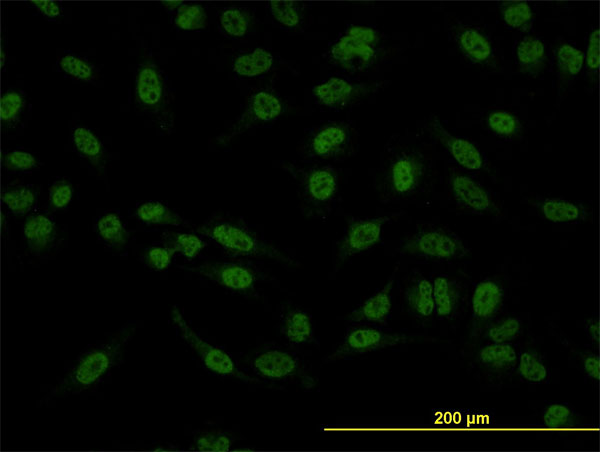
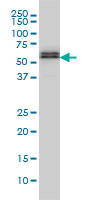
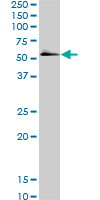
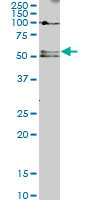
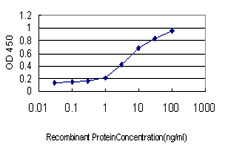

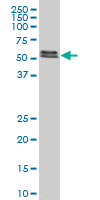

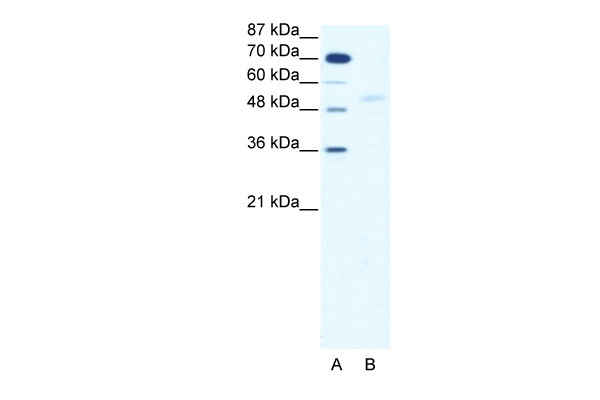
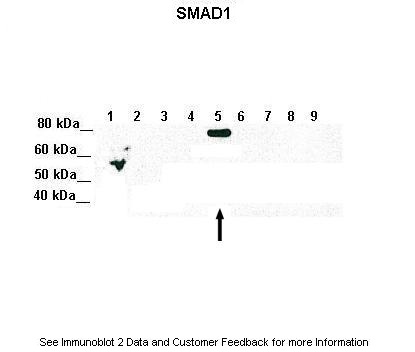
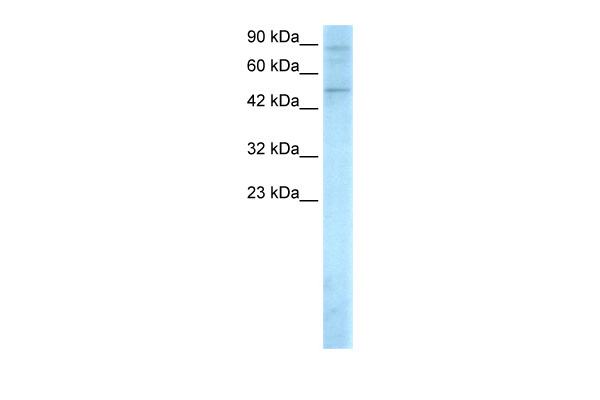
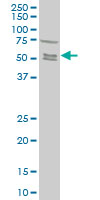
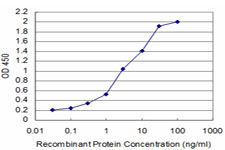


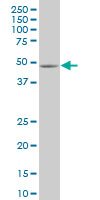
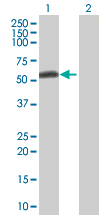
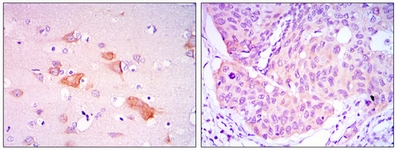
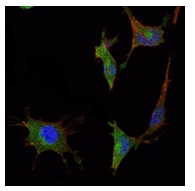
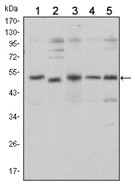


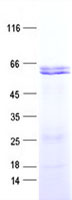
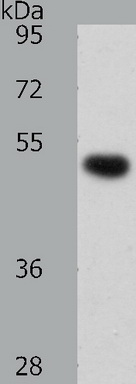
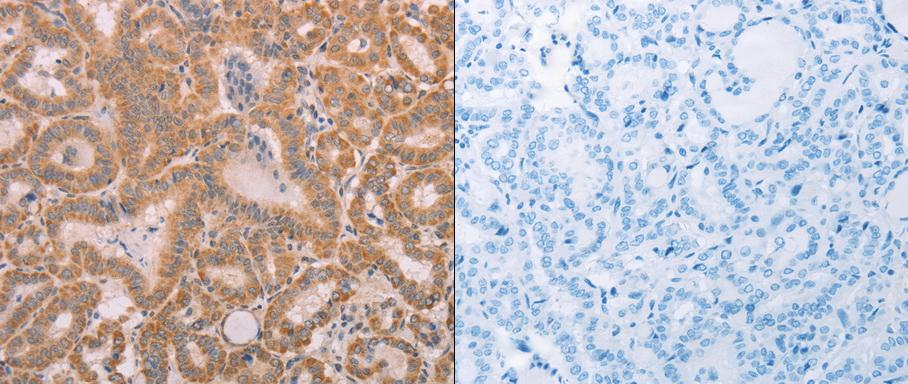
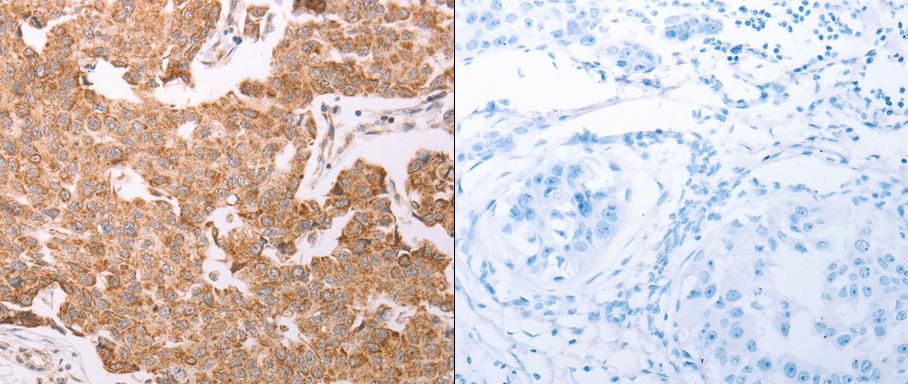
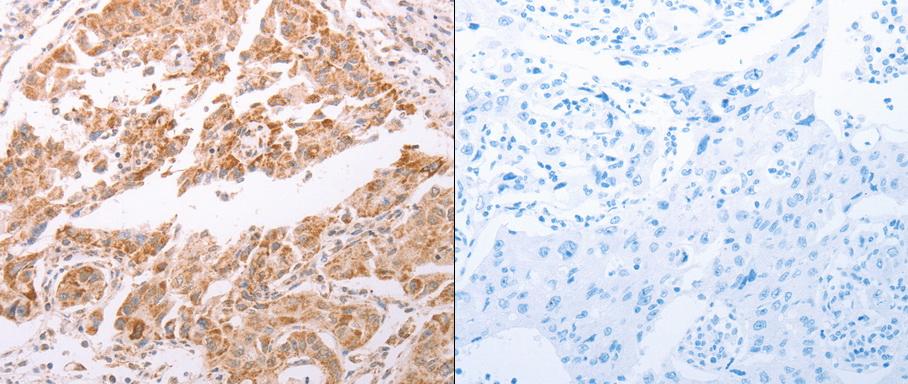
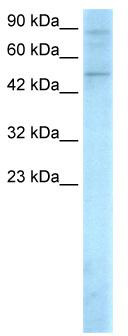

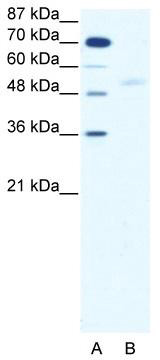

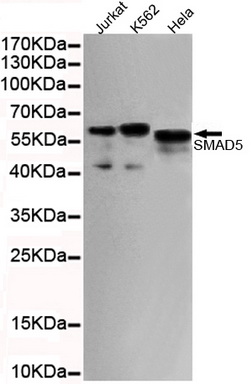
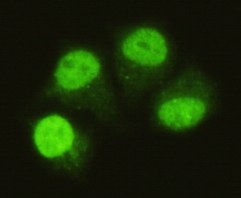
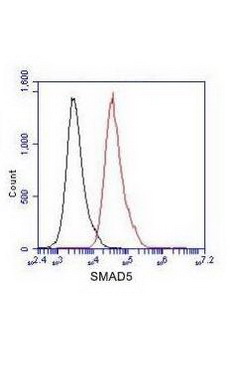
- Quick-Filters:
- Highly Validated (remove)
Primary Antibodies
| Catalog No. | Host | Iso. | Clone | Pres. | React. | Applications | |
|---|---|---|---|---|---|---|---|
| AM06562SU-N | SMAD5 antibody |
||||||
 |
Mouse | IgG1 | 3H9 | Ascites | Hu, Rt | E, F, ICC/IF, P, WB |
0.1 ml /
$380.00
|
| OriGene Technologies GmbH | |||||||
 +3 additional images +3 additional images |
Highly validated antibody! |
||||||