SHANK3 antibody
Principal name
SHANK3 antibody
Alternative names for SHANK3 antibody
PROSAP2, PSAP2, SPANK-2, SPANK2, KIAA1650, SH3 and multiple ankyrin repeat domains protein 3, Proline-rich synapse-associated protein 2
Ncbi ID
Available reactivities
Available hosts
Available applications
Frozen Sections (C), Immunocytochemistry/Immunofluorescence (ICC/IF), Western blot / Immunoblot (WB), Immunoprecipitation (IP), Enzyme Immunoassay (E), Paraffin Sections (P)
Background of SHANK3 antibody
Ion channels are integral membrane proteins that help establish and control the small voltage gradient across the plasma membrane of living cells by allowing the flow of ions down their electrochemical gradient (1). They are present in the membranes that surround all biological cells because their main function is to regulate the flow of ions across this membrane. Whereas some ion channels permit the passage of ions based on charge, others conduct based on a ionic species, such as sodium or potassium. Furthermore, in some ion channels, the passage is governed by a gate which is controlled by chemical or electrical signals, temperature, or mechanical forces.
There are a few main classifications of gated ion channels. There are voltage- gated ion channels, ligandgated, other gating systems and finally those that are classified differently, having more exotic characteristics. The first are voltage- gated ion channels which open and close in response to membrane potential. These are then separated into sodium, calcium, potassium, proton, transient receptor, and cyclic nucleotide-gated channels; each of which is responsible for a unique role. Ligand-gated ion channels are also known as ionotropic receptors, and they open in response to specific ligand molecules binding to the extracellular domain of the receptor protein. The other gated classifications include activation and inactivation by second messengers, inwardrectifier potassium channels, calcium-activated potassium channels, two-pore-domain potassium channels, light-gated channels, mechano-sensitive ion channels and cyclic nucleotide-gated channels. Finally, the other classifications are based on less normal characteristics such as two-pore channels, and transient receptor potential channels (2).
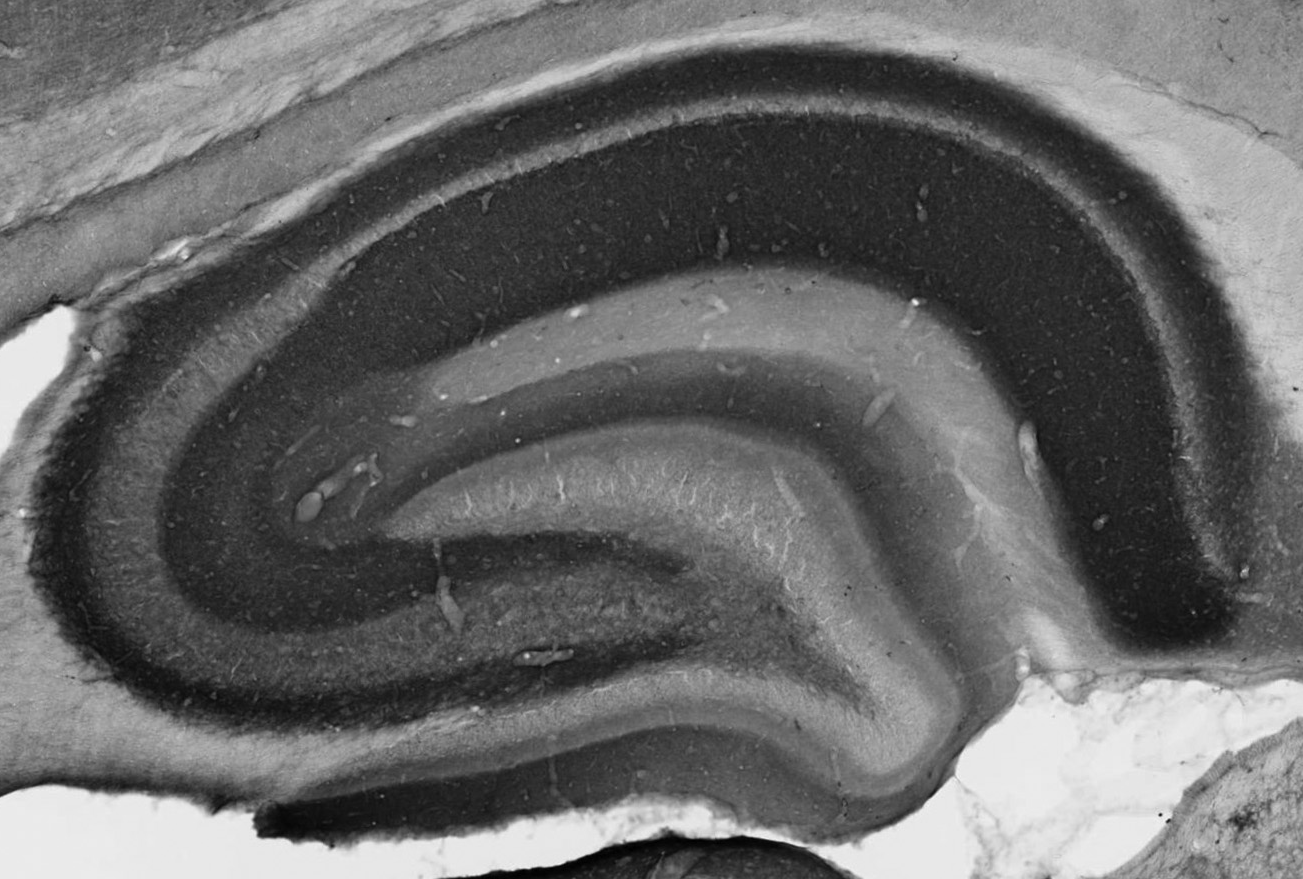
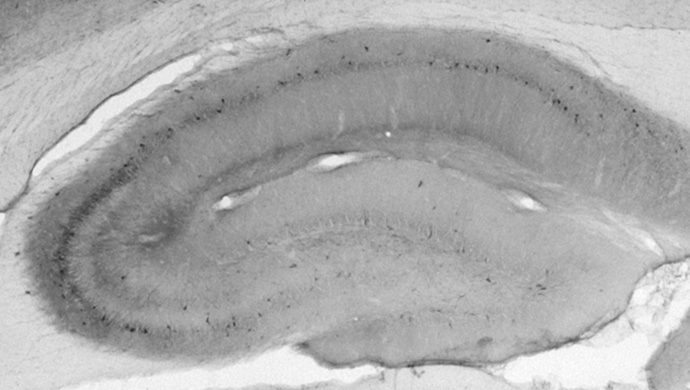
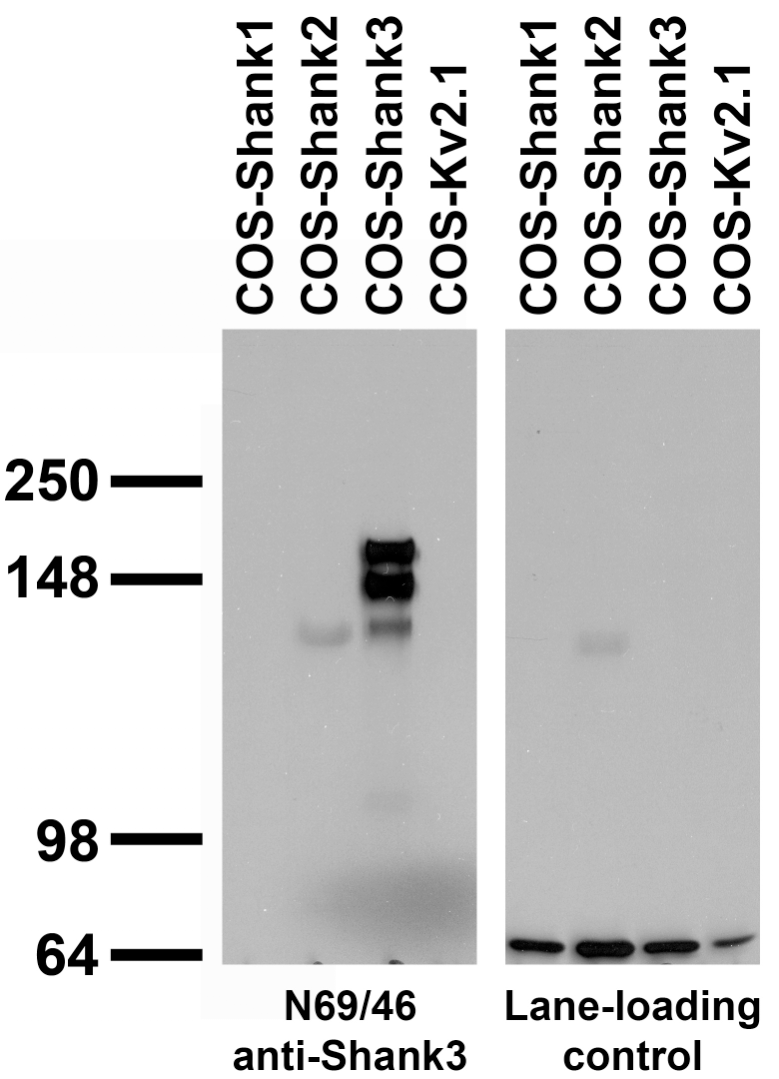
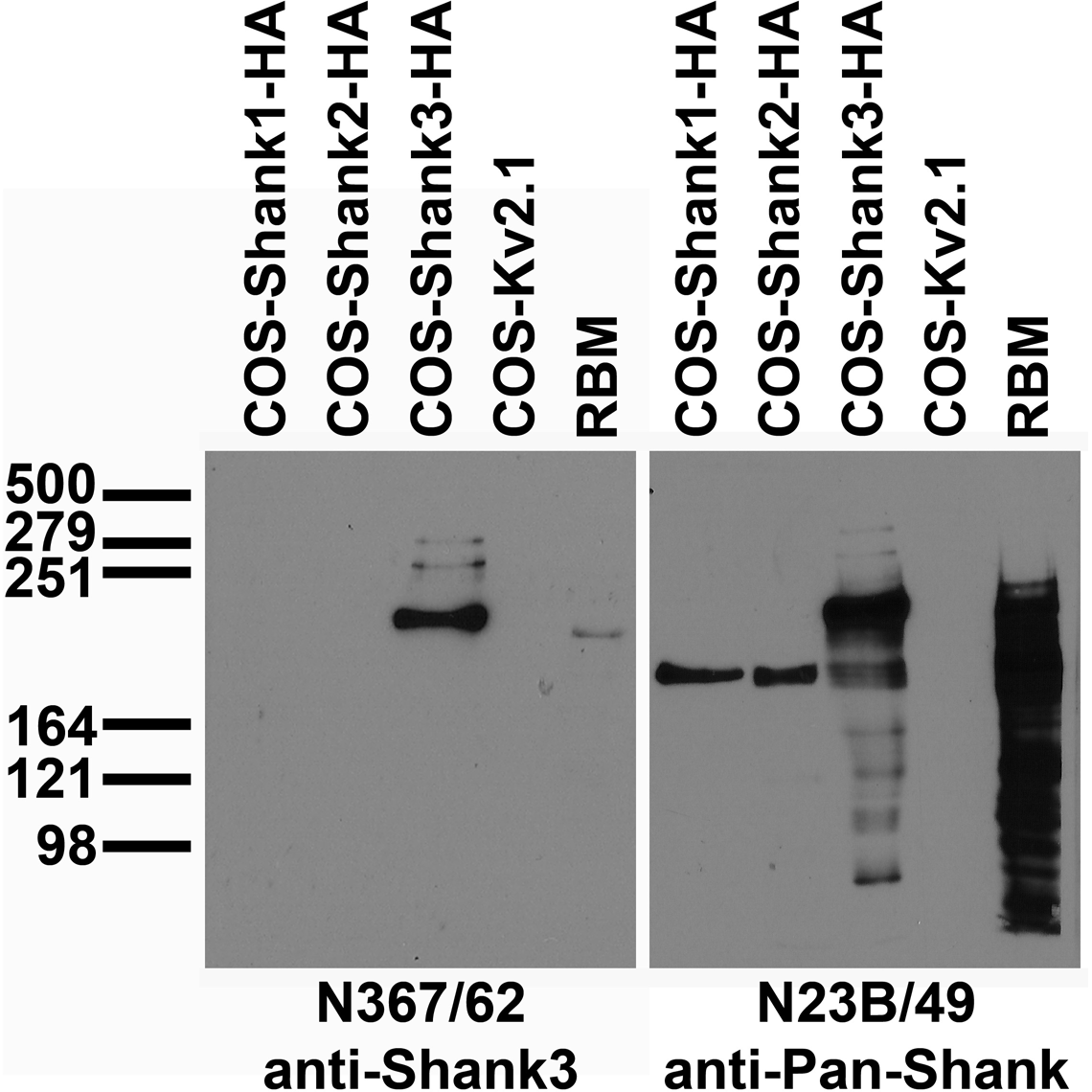
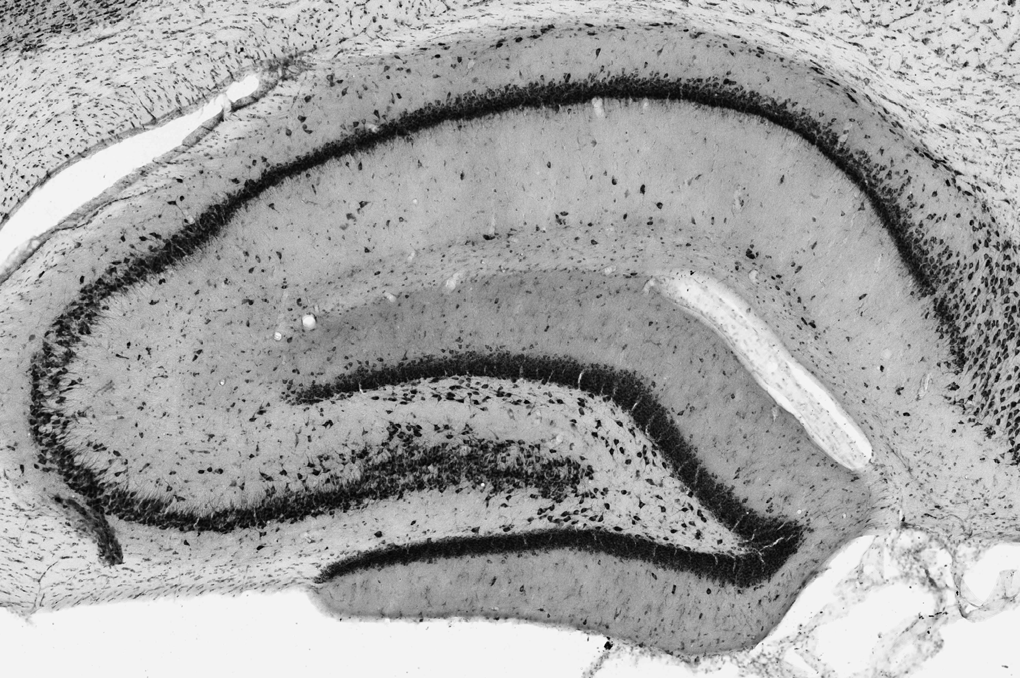
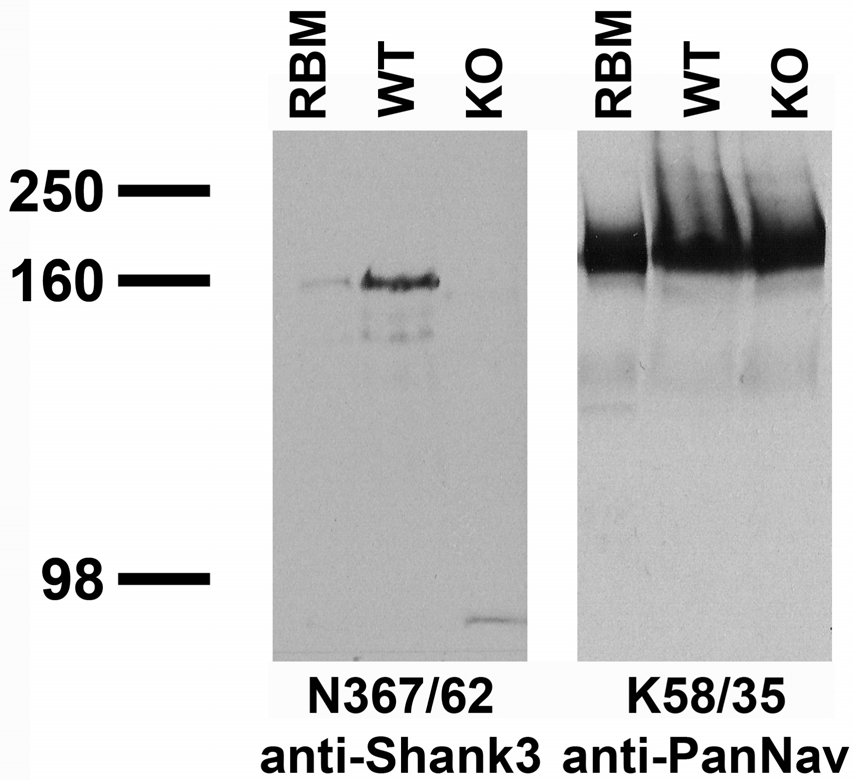
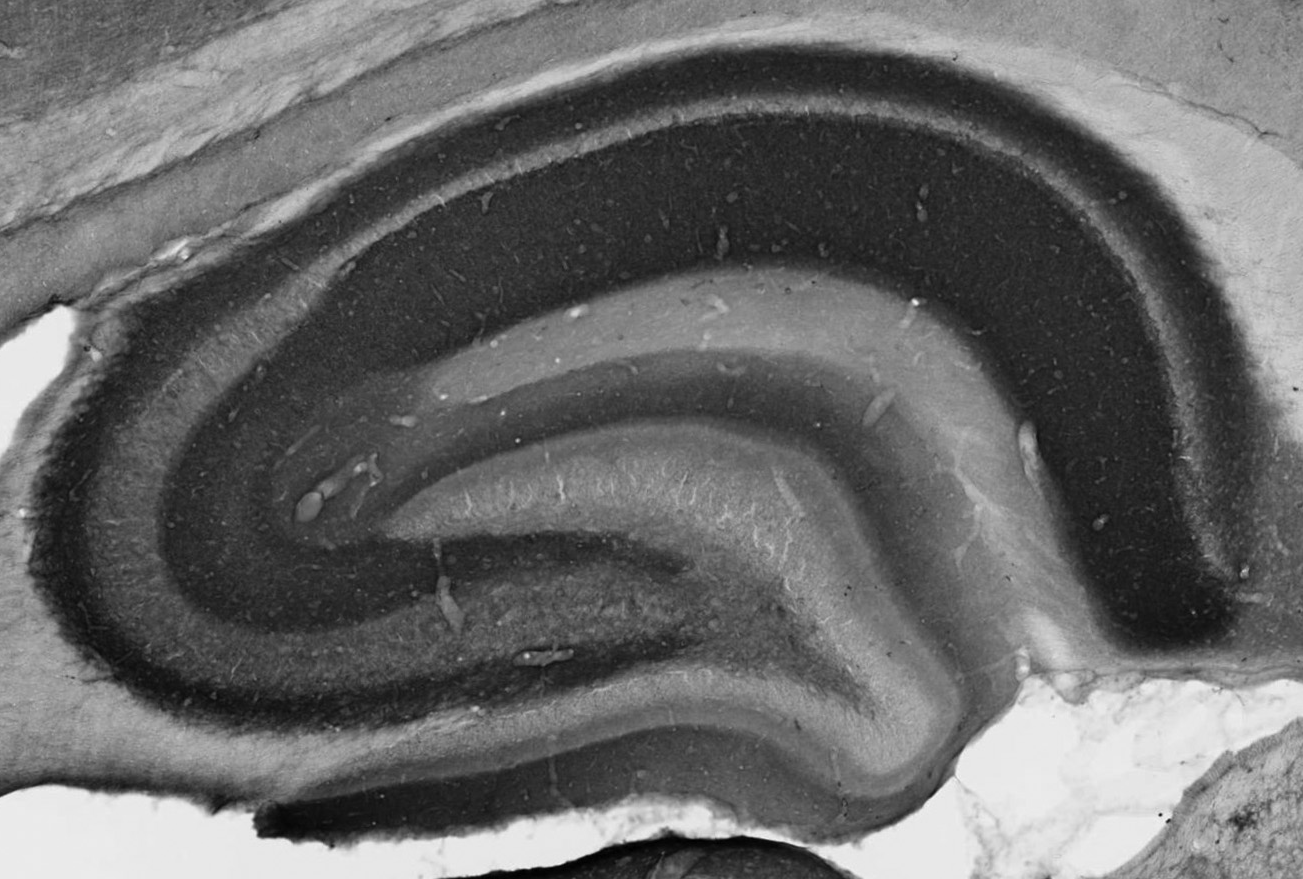
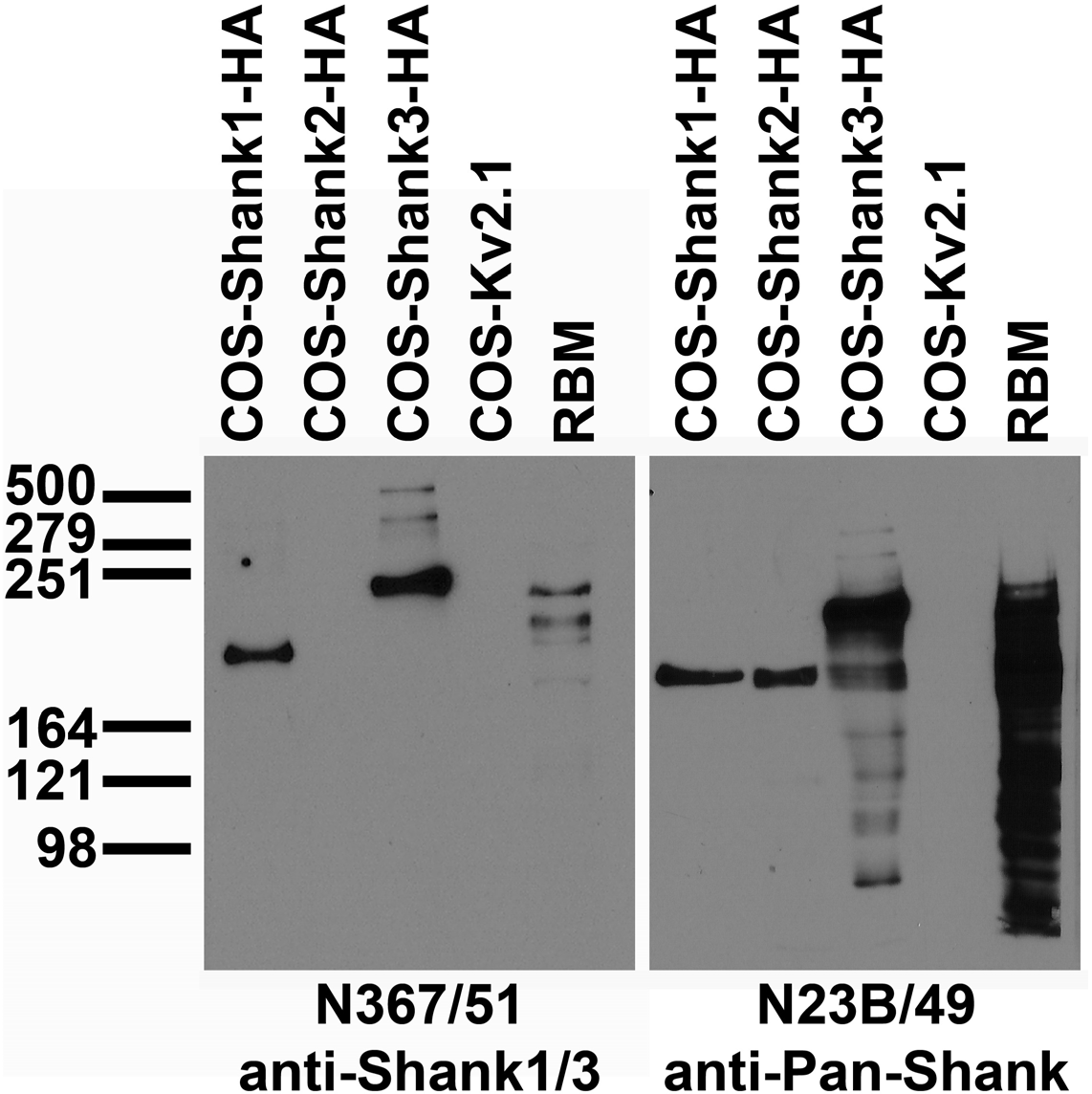
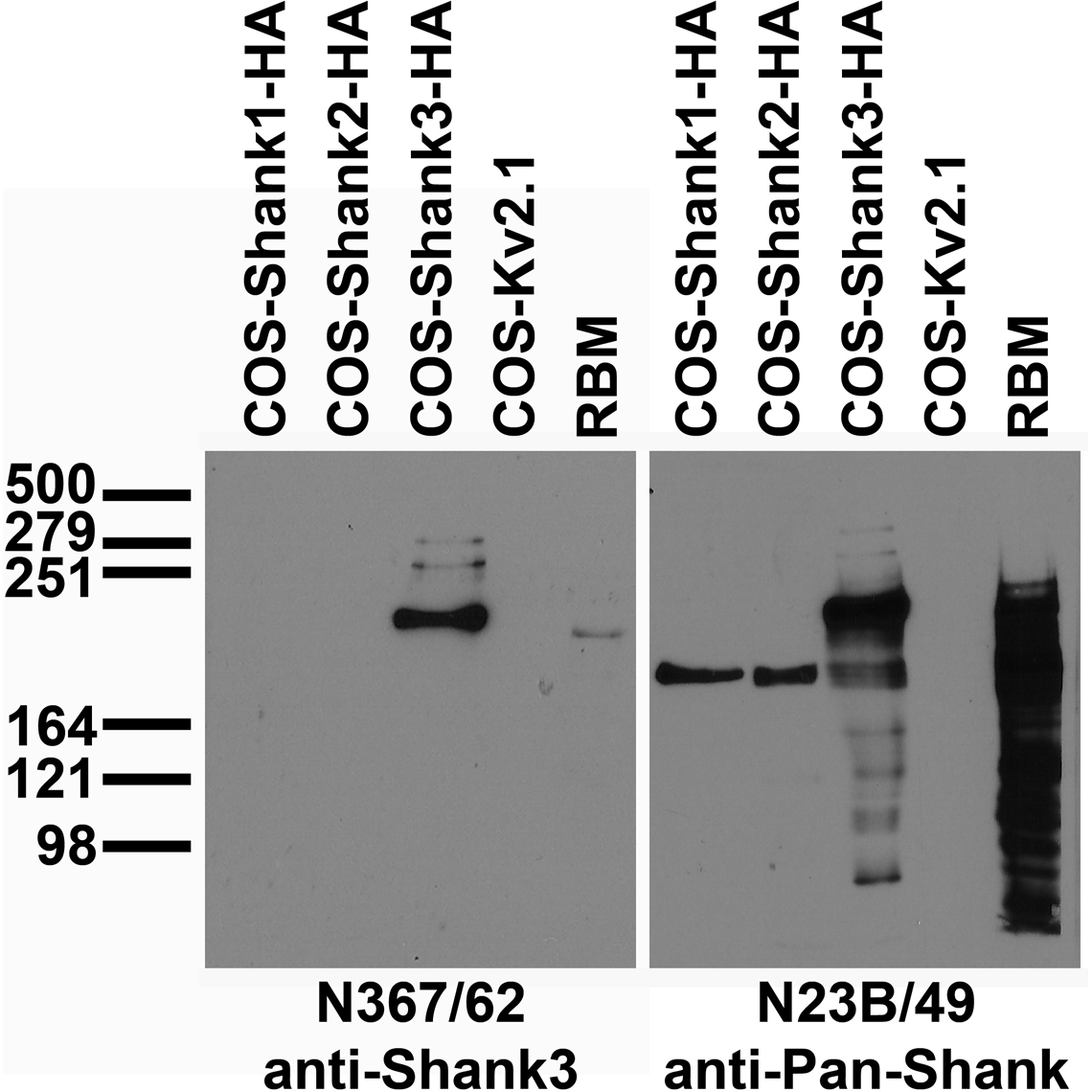
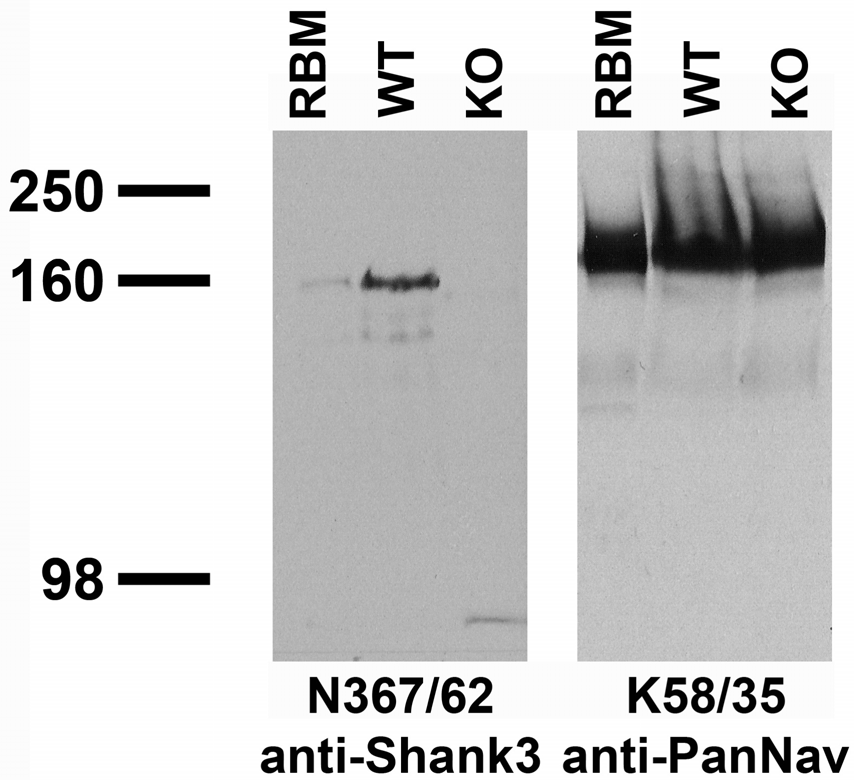
Shank proteins make up a family of scaffold proteins identified through their interaction with a variety of membrane and cytoplasmic proteins (3). Shank proteins at postsynaptic sites of excitatory synapses play roles in signal transmission into the postsynaptic neuron. Shank proteins are also crucial in receptor tyrosine kinase signaling; specifically, Shank3 can mediate Erk-MAPK and P13K signaling which is crucial for tubule formation (4). Shank3 is also one of the latest genes to be associated with autism. A mutation of a single copy of Shank3 on chromosome 22q13 can result in language and/or social communication disorders (5).




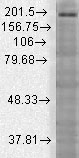
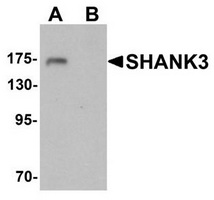
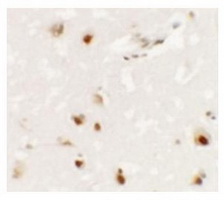
Primary Antibodies
| Catalog No. | Host | Iso. | Clone | Pres. | React. | Applications | |
|---|---|---|---|---|---|---|---|
| TA319075 | SHANK3 antibody |
||||||
| Rabbit polyclonal anti-SHANK3 antibody (Center) | |||||||
 |
Rabbit | Purified | Hu, Ms | E, P, WB |
0.1 mg /
$505.00
|
||
| OriGene Technologies, Inc. | |||||||
 +1 additional image +1 additional image |
|||||||