PTPRE antibody
Principal name
PTPRE antibody
Alternative names for PTPRE antibody
Protein-tyrosine phosphatase epsilon, R-PTP-epsilon, Receptor-type tyrosine-protein phosphatase epsilon
Ncbi ID
9606, NP_006495, ADZ16048.1, NP_006495.1, NM_130435, NP_569119, NP_035342.3, NM_011212, NM_053767, NM_006504
Available reactivities
Available hosts
Available applications
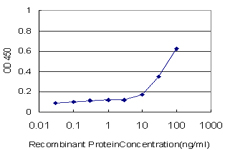
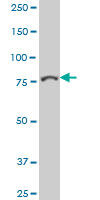
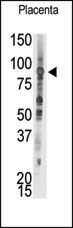
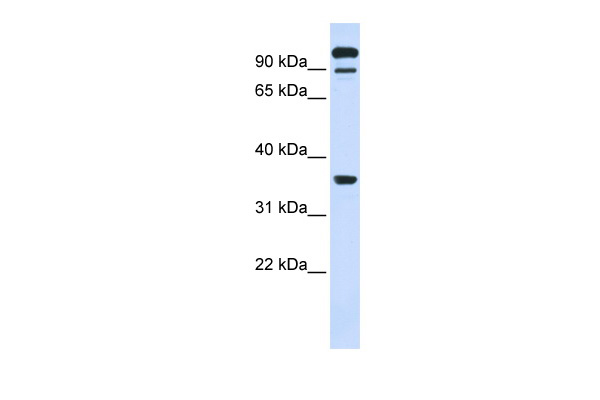
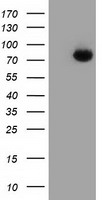
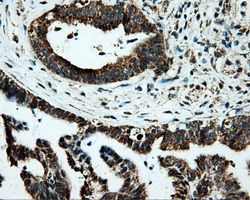
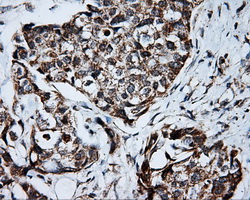
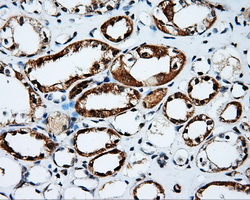
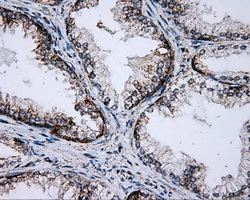
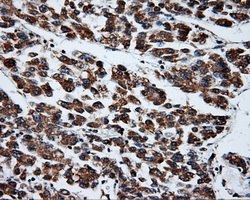
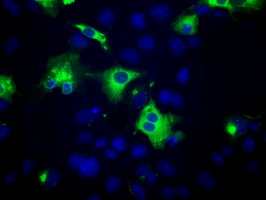
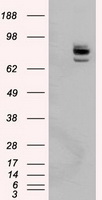
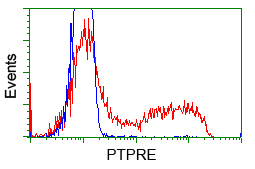
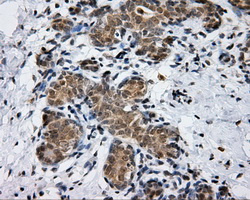
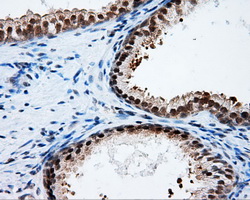
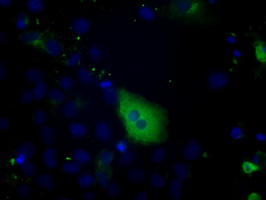
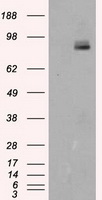
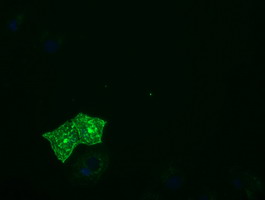
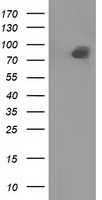
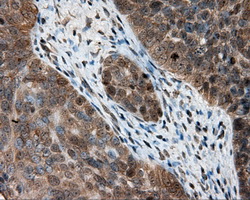
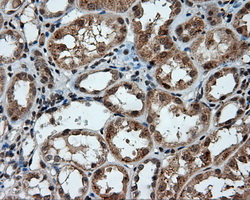
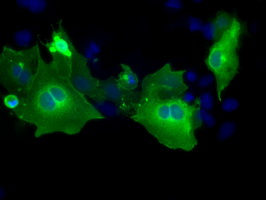
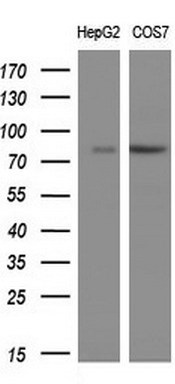
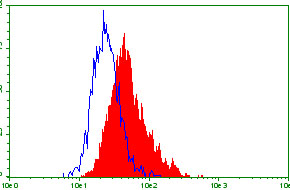
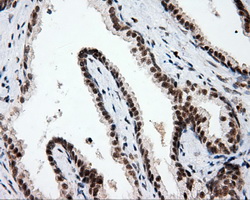
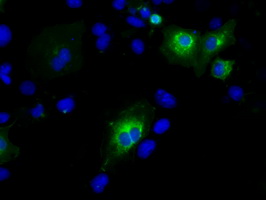
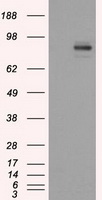
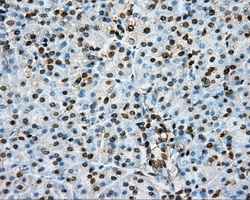
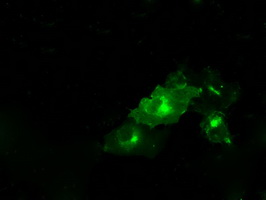
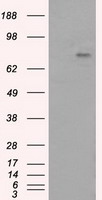
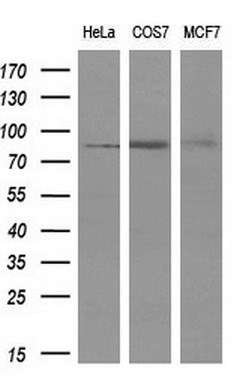
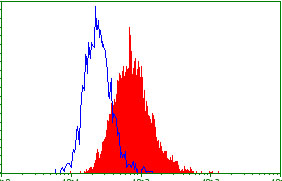
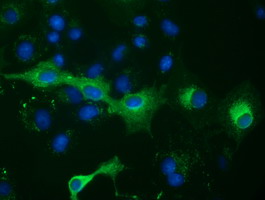
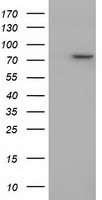
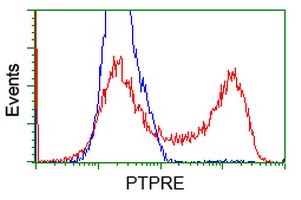
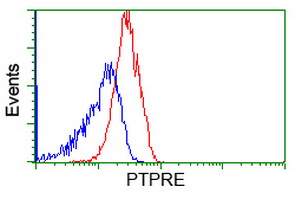
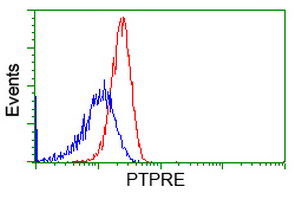
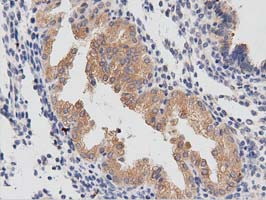
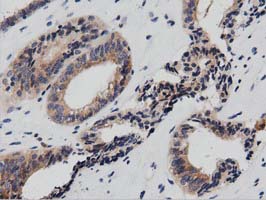
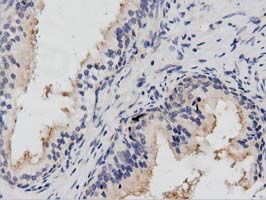
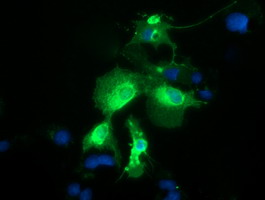
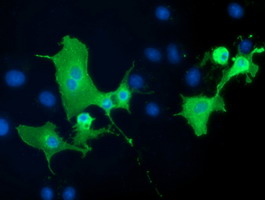
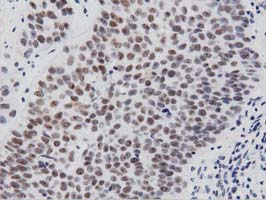
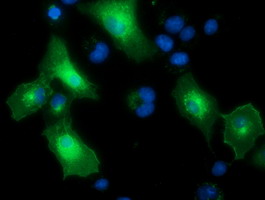
Enzyme Immunoassay (E), Western blot / Immunoblot (WB), Immunocytochemistry/Immunofluorescence (ICC/IF), Paraffin Sections (P), Flow Cytometry (F)
Background of PTPRE antibody
PTPRE is a member of the protein tyrosine phosphatase (PTP) family. PTPs are known to be signaling molecules that regulate a variety of cellular processes including cell growth, differentiation, mitotic cycle, and oncogenic transformation. Two alternatively spliced transcript variants of this gene have been reported, one of which encodes a receptor-type PTP that possesses a short extracellular domain, a single transmembrane region, and two tandem intracytoplasmic catalytic domains; Another one encodes a PTP that contains a distinct hydrophilic N-terminus, and thus represents a nonreceptor-type isoform of this PTP. Studies of the similar gene in mice suggested the regulatory roles of this PTP in RAS related signal transduction pathways, cytokines induced SATA signaling, as well as the activation of voltage-gated K+ channels.The protein encoded by this gene is a member of the protein tyrosine phosphatase (PTP) family. PTPs are known to be signaling molecules that regulate a variety of cellular processes including cell growth, differentiation, mitotic cycle, and oncogenic transformation. Two alternatively spliced transcript variants of this gene have been reported, one of which encodes a receptor-type PTP that possesses a short extracellular domain, a single transmembrane region, and two tandem intracytoplasmic catalytic domains; Another one encodes a PTP that contains a distinct hydrophilic N-terminus, and thus represents a nonreceptor-type isoform of this PTP. Studies of the similar gene in mice suggested the regulatory roles of this PTP in RAS related signal transduction pathways, cytokines induced SATA signaling, as well as the activation of voltage-gated K+ channels.
General readings
Weiss,B. (2008) J. Biol. Chem. 283 (8), 4612-4621



















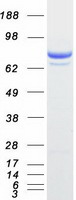

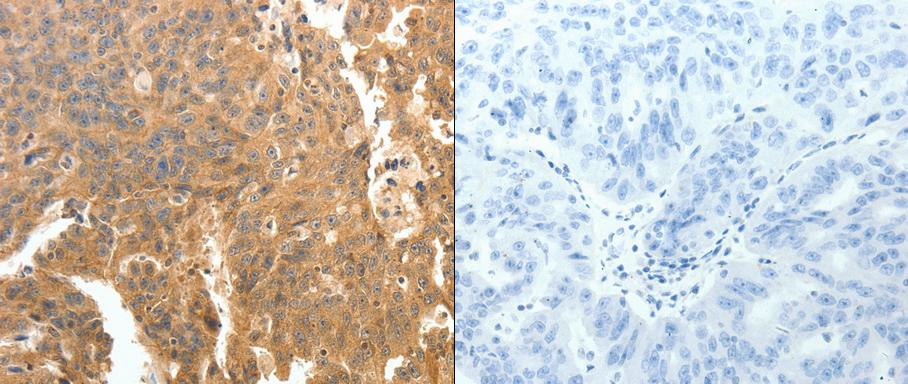
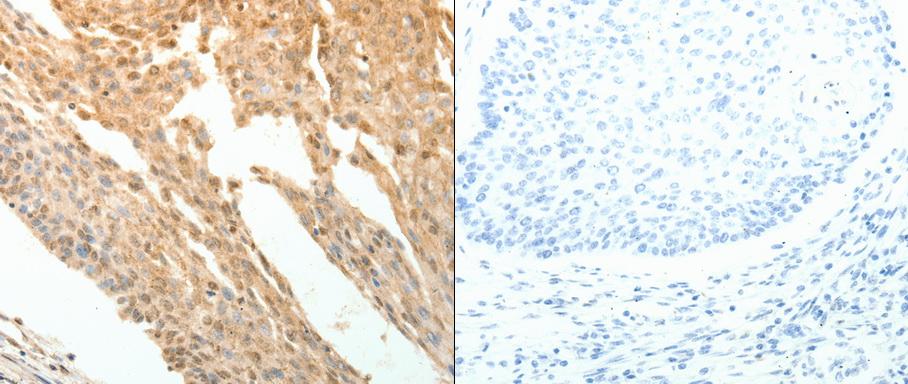
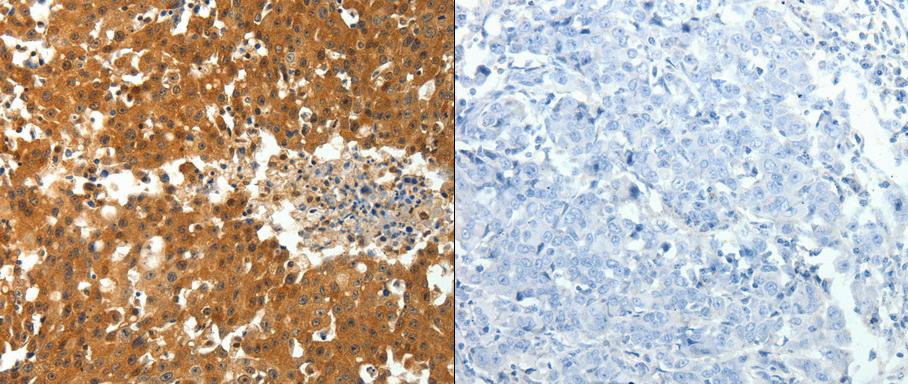




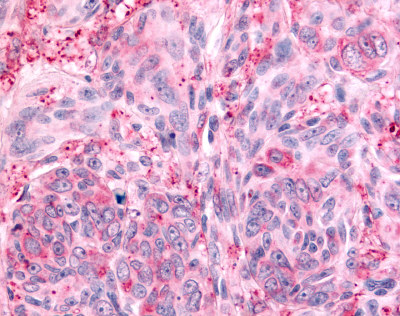
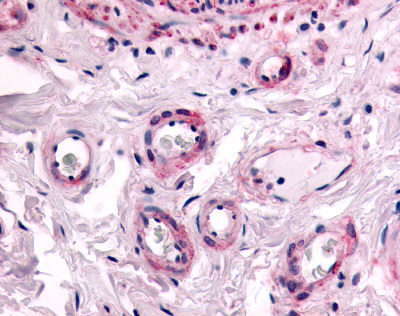
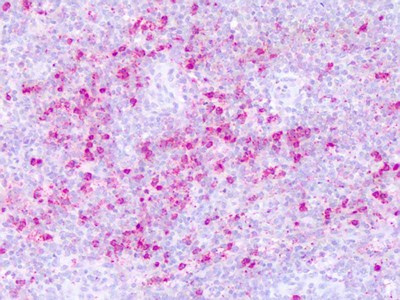
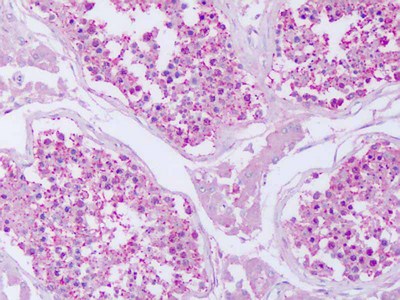
Proteins & Growth Factors
| Catalog No. | Species | Pres. | Purity | Source | |
|---|---|---|---|---|---|
| TP307950 | PTPRE (transcript variant 1) |
||||
| Recombinant protein of human protein tyrosine phosphatase, receptor type, E (PTPRE), transcript variant 1 | |||||
 |
Human | > 80 % Preparation: Recombint protein was captured through anti-DDK affinity column followed by conventiol chromatography steps. Purity Detail: > 80% as determined by SDS-PAGE and Coomassie blue staining. |
HEK293 cells |
20 µg /
$748.00
|
|
| OriGene Technologies, Inc. | |||||
| TP317899 | PTPRE (transcript variant 2) |
||||
| Recombinant protein of human protein tyrosine phosphatase, receptor type, E (PTPRE), transcript variant 2 | |||||
 |
Human | > 80 % Preparation: Recombint protein was captured through anti-DDK affinity column followed by conventiol chromatography steps. Purity Detail: > 80% as determined by SDS-PAGE and Coomassie blue staining. |
HEK293 cells |
20 µg /
$748.00
|
|
| OriGene Technologies, Inc. | |||||