NPR3 / ANPRC antibody
Principal name
NPR3 / ANPRC antibody
Alternative names for NPR3 / ANPRC antibody
Atrial natriuretic peptide C-type receptor, ANP clearance receptor, ANP-C, NPR-C
Ncbi ID
Available reactivities
Available hosts
Available applications
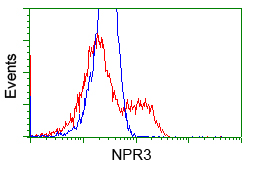
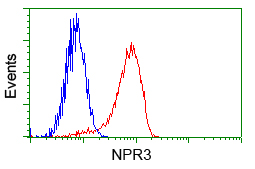
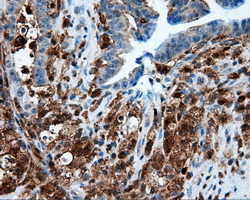
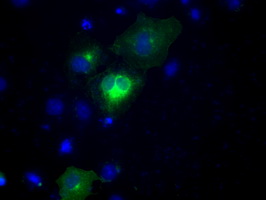
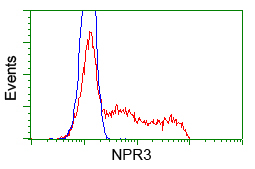
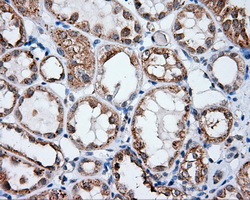
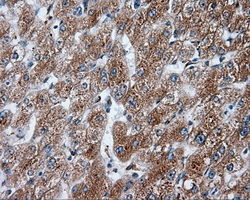
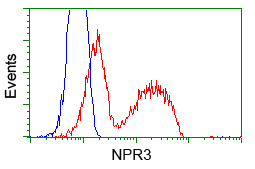
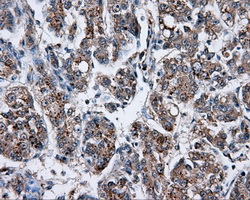
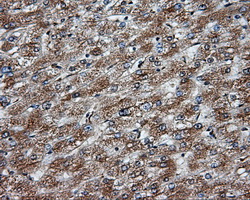
Enzyme Immunoassay (E), Western blot / Immunoblot (WB), Frozen Sections (C), Immunocytochemistry/Immunofluorescence (ICC/IF), Paraffin Sections (P), Immunoprecipitation (IP), Flow Cytometry (F)
Background of NPR3 / ANPRC antibody
The family of natriuretic peptides comprised of several 22-53 amino acid peptides with vasoadilator and diuretic properties and plays a pivotal role in cardiovascular homeostasis. So far we have five natriuretic peptides known ANP, urodilin, BNP, CNP and DNP. The pro-hormones for ANP, BNP and CNP are encoded by different genes. The arterial natriuretic peptide (ANP) and the brain natriuretic peptide (BNP) are secreted as pro-hormones (Pro-ANP and Pro-BNP) and their levels are significantly increases in non survival cardiac dysfunction patients (1). They are also useful as a laboratory markers for myocardial dysfunction and various other clinical conditions such as pulmonary thrombo embolism, transient tachypnea, sepsis and stroke. The levels of these peptides may also differentiate between survival and non-survival acute sepsis. The Pro ANP is stored in the cells and is released upon stretch from artria into circulation. The rate limiting protease, corin, a trans-membrane serine protease converts Pro-ANP is to ANP for immediate release in to circulation. The release of ANP causes an increased in cGMP in the cells by acting on 3 types of ANP receptors (NPRA, NPRB and NPRC). ANP regulates a variety of physiological parameters by interacting with its receptors present on the plasma membrane. These are of three subtypes NPR-A, NPR-B, and NPR-C. NPR-A and NPR-B are guanylyl cyclase receptors, whereas NPR-C is non-guanylyl cyclase receptor and is coupled to adenylyl cyclase inhibition or phospholipase C activation through inhibitory guanine nucleotide regulatory protein (Gi).
Unlike other G-protein-coupled receptors, ANP type C receptors have a single transmembrane domain with structural specificity that lies near the short C-terminal end which inhibit adenylyl cyclase. NPRC also stimulates phosphatidyl inositol (PI) turnover in vascular smooth muscle cells (VSMC) which is attenuated by cAMP analogues. NPRC receptor is also a candidate susceptibility gene for essential hypertension or obese hypertension as it plays a key role in the regulation of plasma levels and biological effects of natriuretic peptides. The C-type NPR (NPR-C) is responsible for clearance of NP hormones from the circulation, and displays cross-reactivity for all NP hormones (ANP, BNP, and CNP). The NPRC receptor is expressed in dorsal root sensory and cranial ganglion and in Schwann cells. NPRC also regulates salt excretion, vascular tone, and fibroblast proliferation and activation (1).
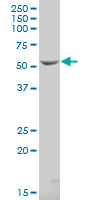
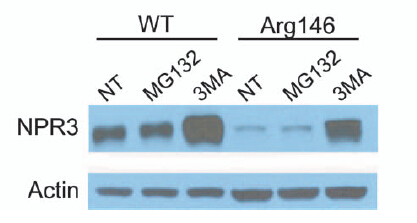
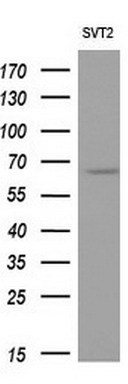
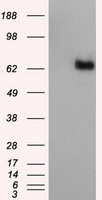
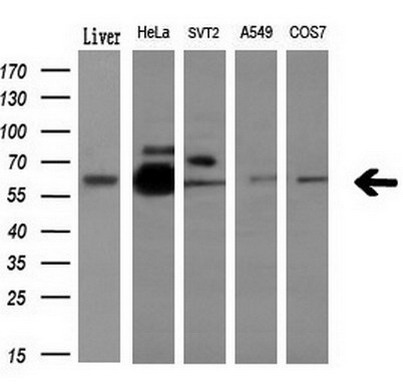
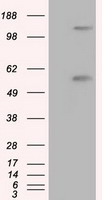
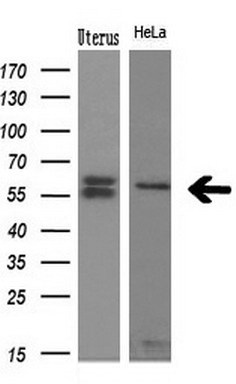
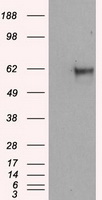
The NPRC is a 443 aa, 55 kDa protein with a single transmembrane domain.


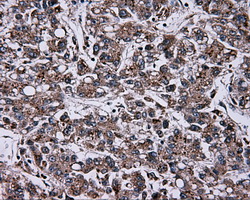
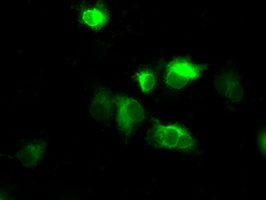
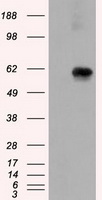

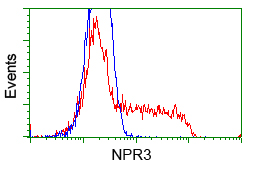









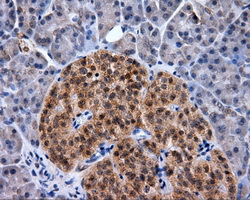
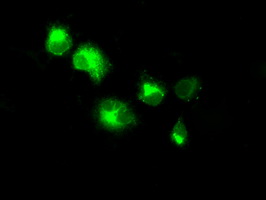
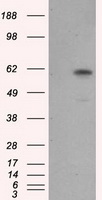
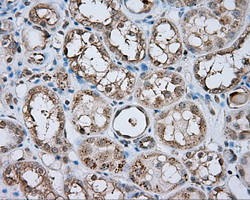
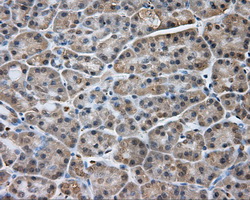
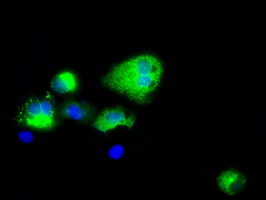
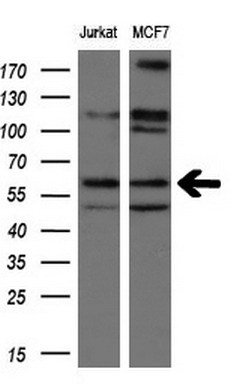
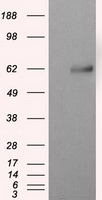
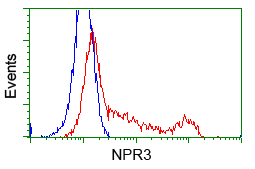
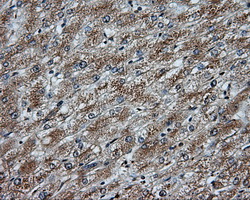
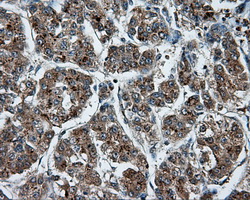
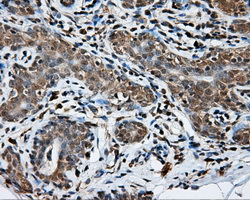
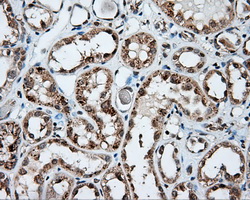
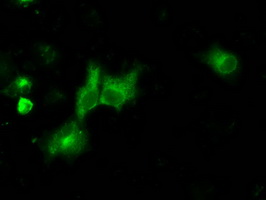
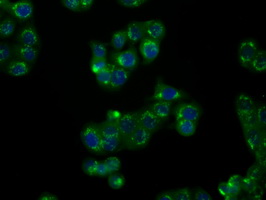

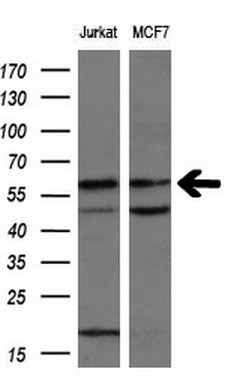
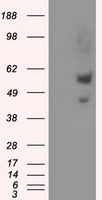
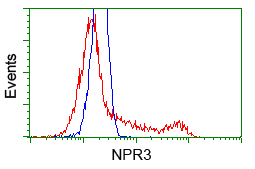


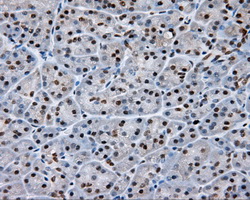
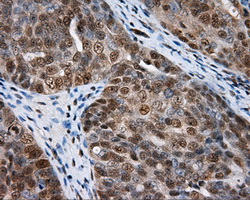
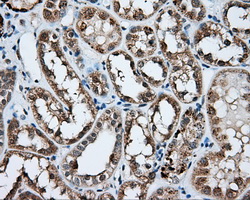
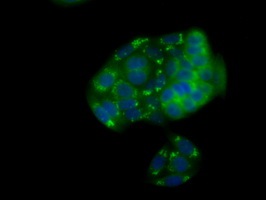

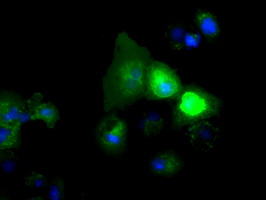
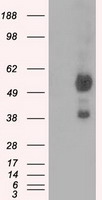

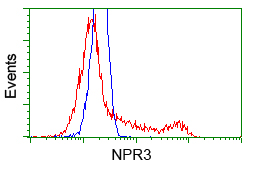

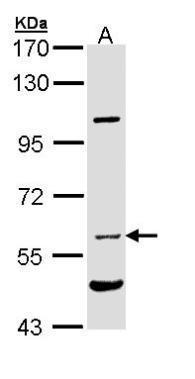
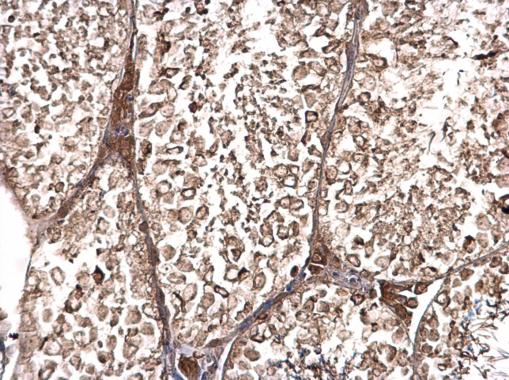
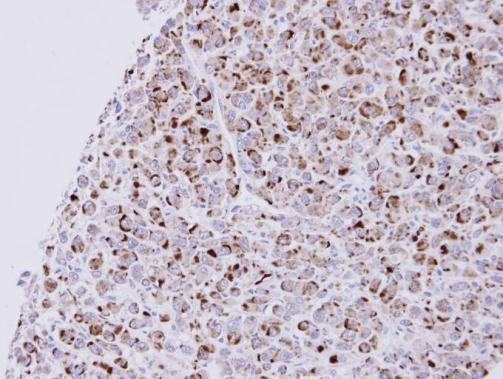
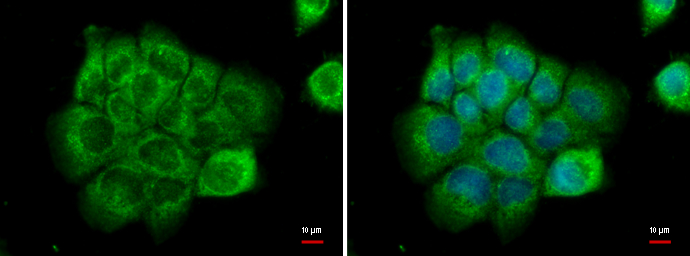

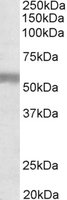
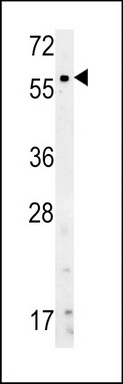
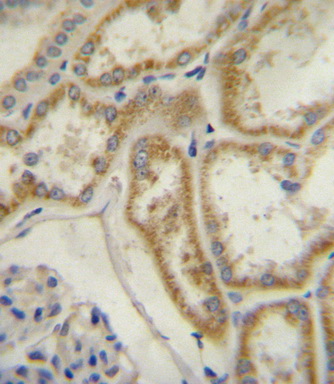
Primary Antibodies
| Catalog No. | Host | Iso. | Clone | Pres. | React. | Applications | |
|---|---|---|---|---|---|---|---|
| TA309540 | NPR3 / ANPRC (520-533) antibody |
||||||
| Goat Polyclonal Antibody against NPR3 (aa520-533) | |||||||
 |
Goat | Aff - Purified | Hu | E, WB |
0.1 mg /
$360.00
|
||
| OriGene Technologies, Inc. | |||||||