NMDA Receptor 2A antibody
Principal name
NMDA Receptor 2A antibody
Alternative names for NMDA Receptor 2A antibody
NMDAR2A, GRIN2A, NR2A, Glutamate [NMDA] Receptor subunit epsilon-1
Ncbi ID
10116, NP_000824, NP_000824.1, NP_036705, NP_036705.3, NP_032196.2, NM_008170, NM_001134407
Available reactivities
Available hosts
Available applications
Western blot / Immunoblot (WB), Frozen Sections (C), Immunoprecipitation (IP), Enzyme Immunoassay (E), Immunocytochemistry/Immunofluorescence (ICC/IF), Paraffin Sections (P), Flow Cytometry (F)
Background of NMDA Receptor 2A antibody
The NMDA receptors are members of the glutamate receptor family of ion channels that also include the AMPA and Kaite receptors. The NMDA receptors are encoded by seven genes: one NMDAR1 (or NR1) subunit, four NR2 (NR2A-NR2D) and two NR3 (NR3A-NR3B) subunits. The functiol NMDA receptor appears to be a heterotetramer composed of two NMDAR1 and two NMDAR2 subunits. Whereas the NMDAR2 subunits that assemble with the NMDAR1 subunit can be either of the same kind (i.e. two NMDAR2A subunits) or different (one NMDAR2A with one NMDAR2B). NMDAR3 subunits can substitute the NMDAR2 subunits in their complex with the NMDAR1 subunit. The NMDAR is unique among ligand-gated ion channels in that it requires the simultaneous binding of two obligatory agonists: glycine and glutamate that bind to the NMDAR1 and NMDAR2 binding sites respectively. Another unique characteristic of the NMDA receptors is their dependence on membrane potential. At resting membrane potentials the channels are blocked by extracellular Mg2+. Neurol depolarization relieves the Mg2+ blockage and allows ion influx into the cells. NMDA receptors are strongly selective for Ca2+ influx differing from the other glutamate receptor ion channels that are non-selective cation channels. Ca2+ entry through the NMDAR regulates numerous downstream sigling pathways including long term potentiation (a molecular model of memory) and syptic plasticity that may underlie learning. In addition, the NMDA receptors have been implicated in a variety of neurological disorders including epilepsy, ischemic brain damage, Parkinson’s and Alzheimerâ??s disease. NMDA receptors expression and function are modulated by a variety of factors including receptor trafficking to the sypses and interlization as well as phosphorylation and interaction with other intracellular proteins.
General readings
Endele, S., et al. Nat. Genet. 42(11):1021-1026(2010)
Shimada, M., et al. Hum. Genet. 128(4):433-441(2010)
Saus, E., et al. J Psychiatr Res 44(14):971-978(2010)
Pinheiro, A.P., et al. Am. J. Med. Genet. B Neuropsychiatr. Genet. 153B (5), 1070-1080 (2010)
King, J.E., et al. Am. J. Pathol. 176(6):2819-2830(2010)


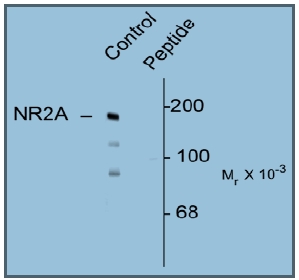

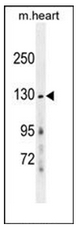
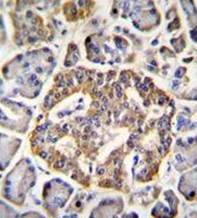
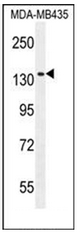
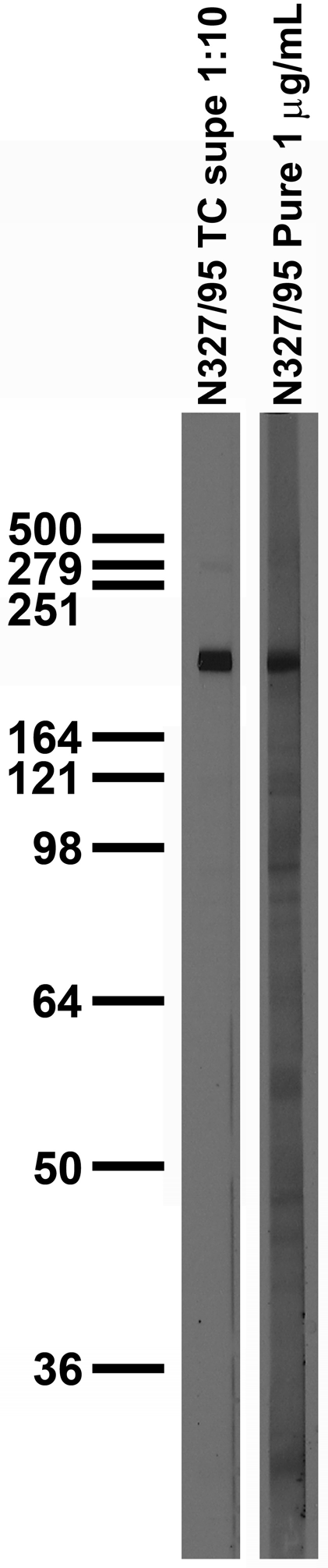
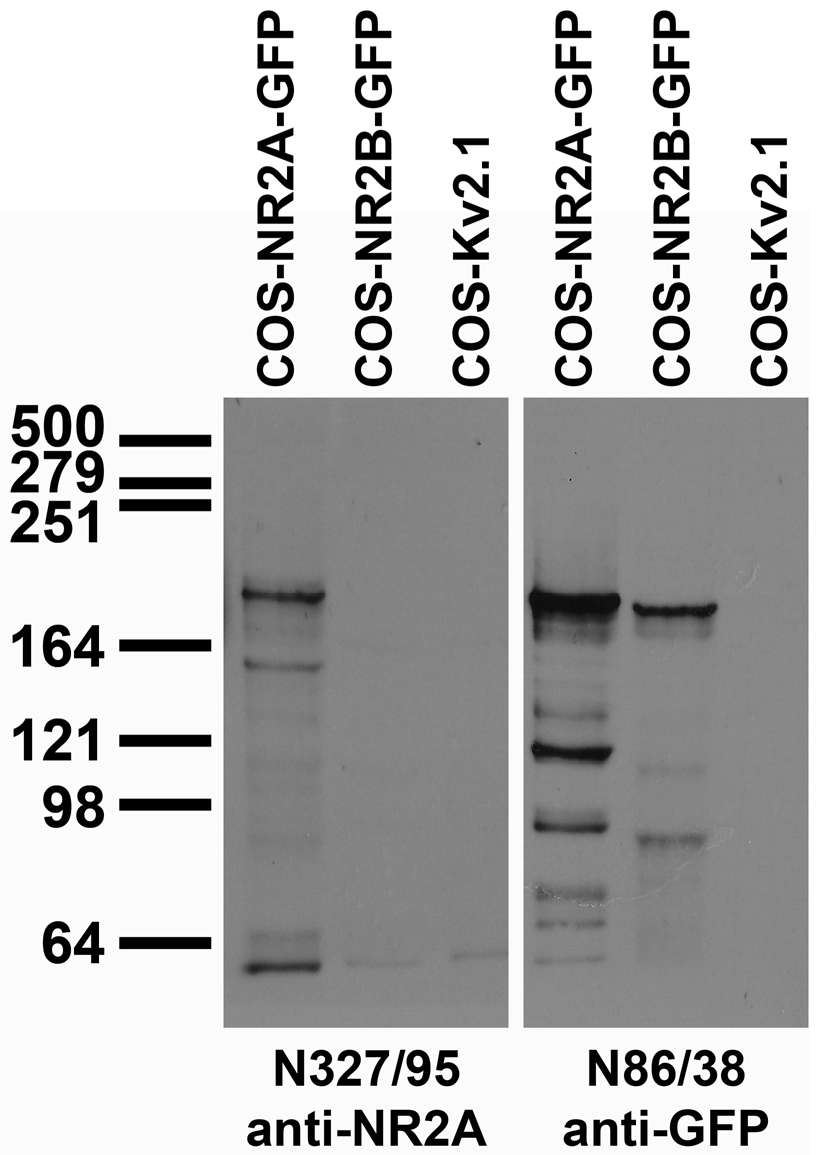
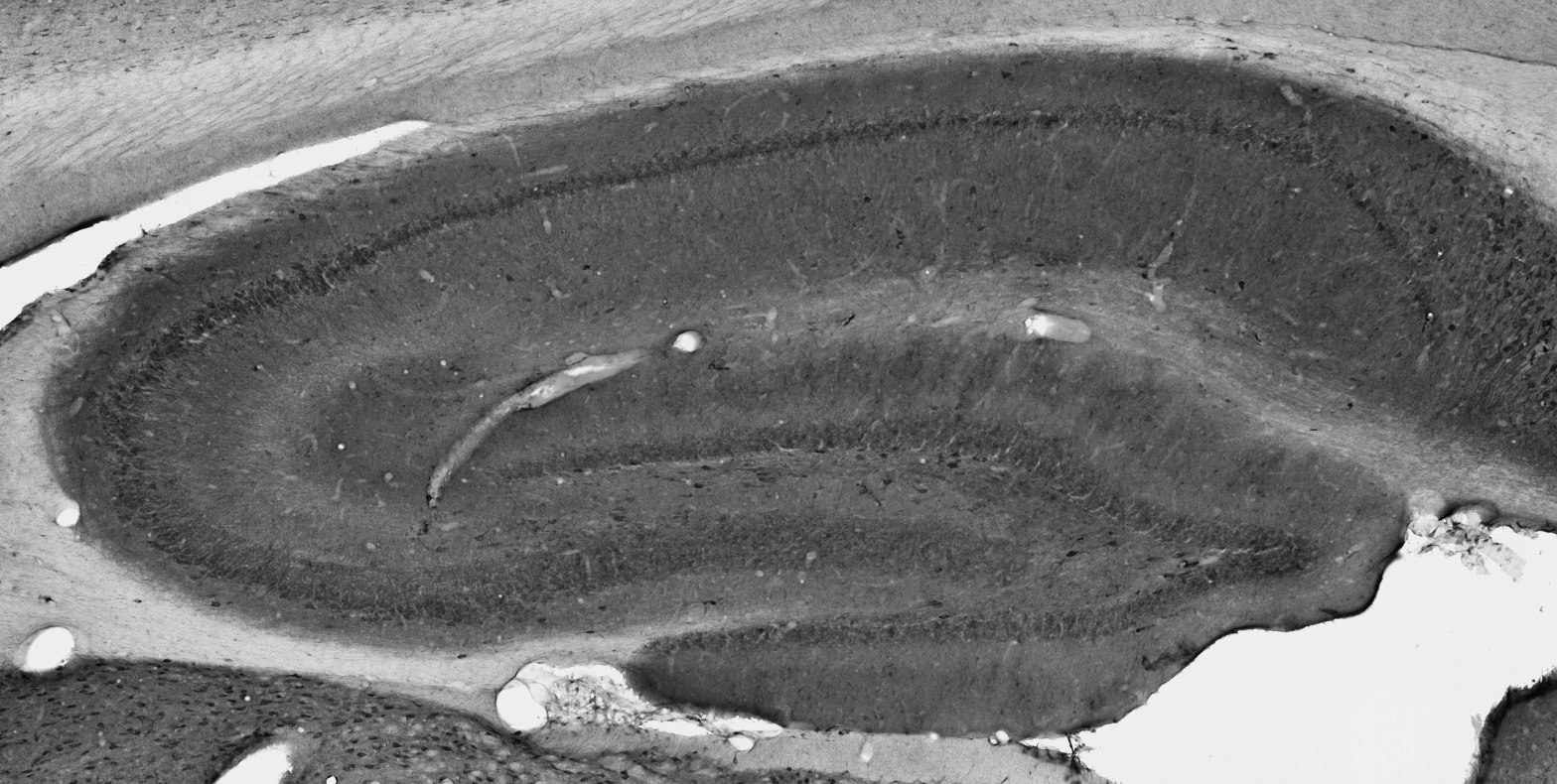
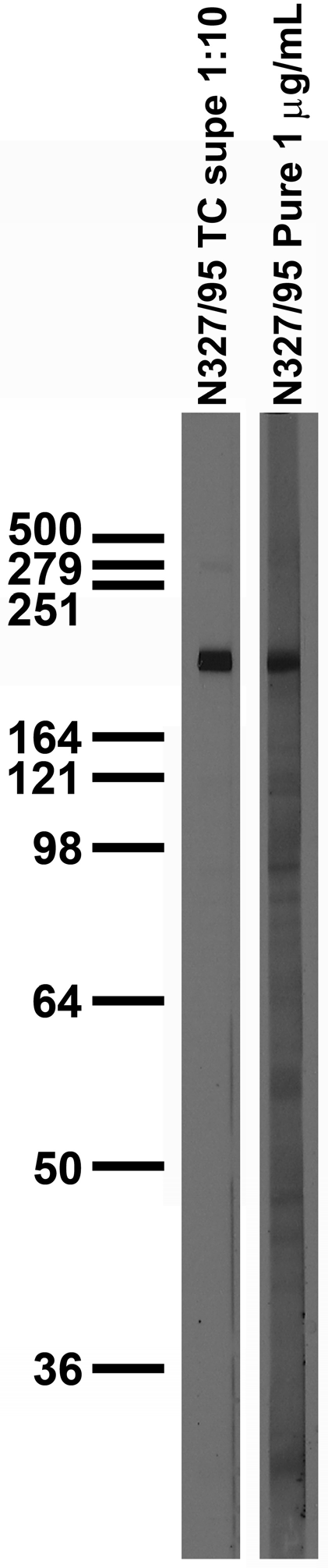

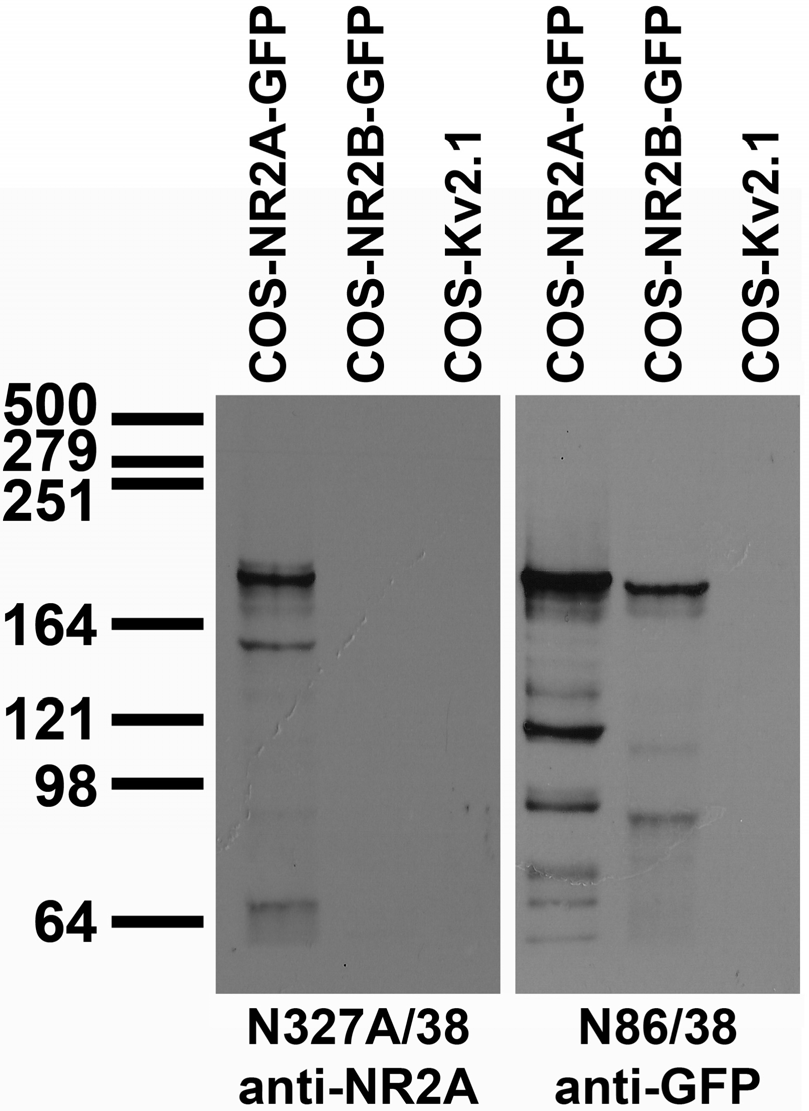

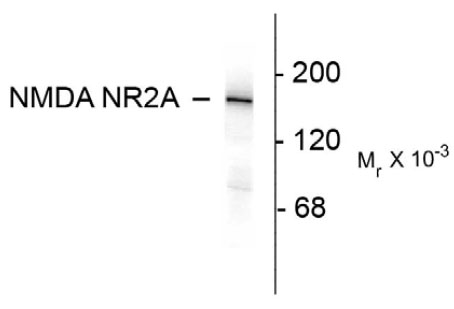
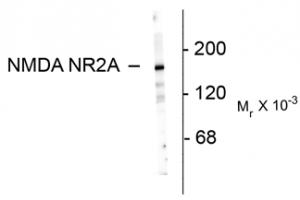
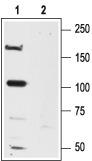
- Quick-Filters:
- Highly Validated (remove)
Primary Antibodies
| Catalog No. | Host | Iso. | Clone | Pres. | React. | Applications | |
|---|---|---|---|---|---|---|---|
| TA328821 | NMDA Receptor 2A antibody |
||||||
| Rabbit Polyclonal Anti-NMDA Receptor 2A (GluN2A) (extracellular) | |||||||
 |
Rabbit | Purified | Hu, Ms, Rt | WB |
0.2 ml /
$585.00
|
||
| OriGene Technologies, Inc. | |||||||
 +4 additional images +4 additional images |
Highly validated antibody! |
||||||