KCNIP2 antibody
Principal name
KCNIP2 antibody
Alternative names for KCNIP2 antibody
KCNIP2, KCHIP2, Kv channel-interacting protein 2, A-type potassium channel modulatory protein 2, Potassium channel-interacting protein 2, Cardiac voltage-gated potassium channel modulatory subunit
Ncbi ID
NP_775289, 9606, NP_775286, NP_001029133.1, NM_014591, NP_055406.2, NP_775284, NP_055406, NP_775283, AAF81756, NP_109641.2, NM_145703, NM_145704, NM_030716, NM_020094, NM_020095, NM_001033961, NM_173192, NM_173197, NM_173195, NM_173193, NM_173191
Available reactivities
Available hosts
Available applications
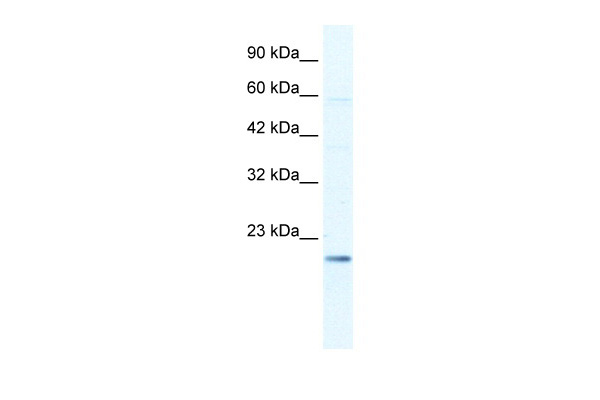
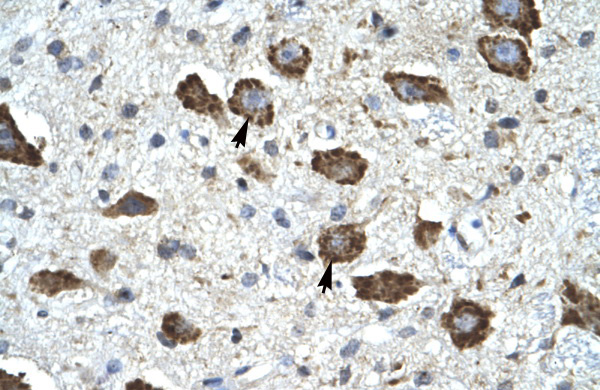
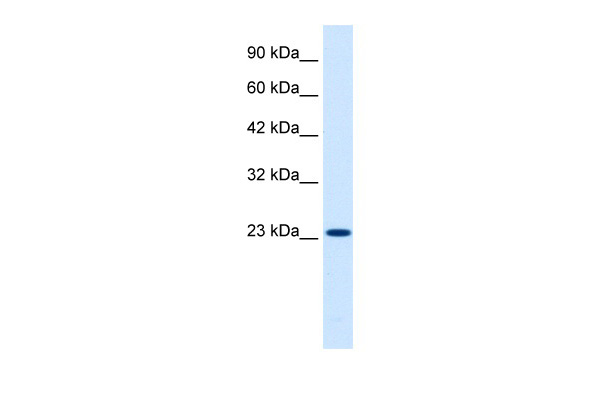
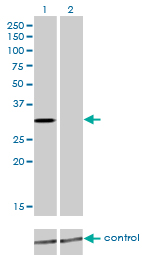
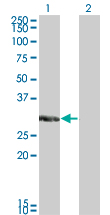
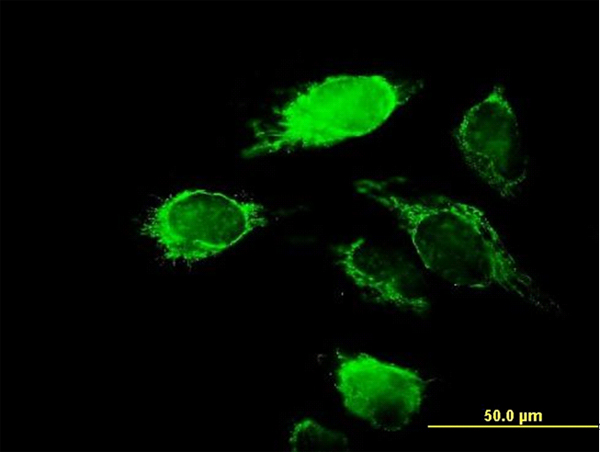
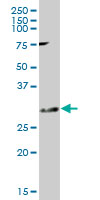
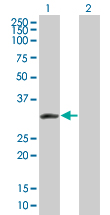
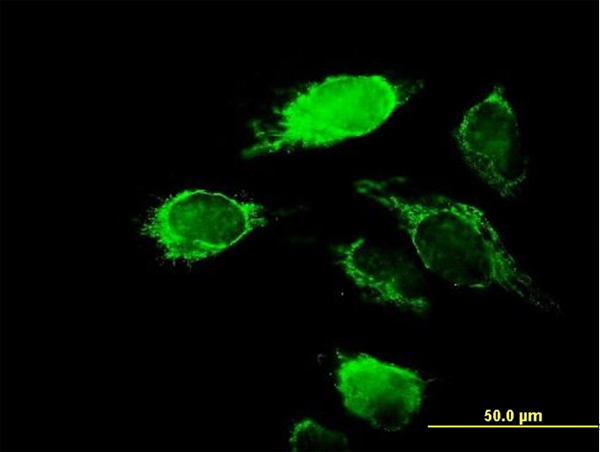
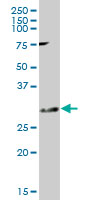
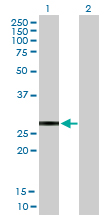
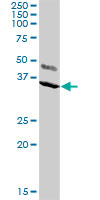
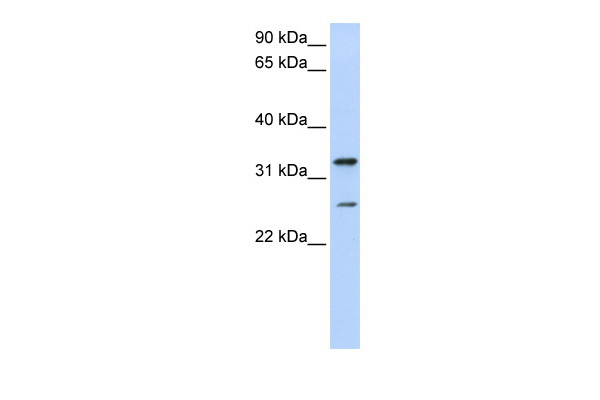
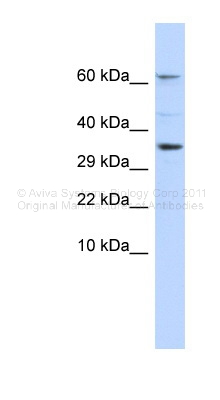
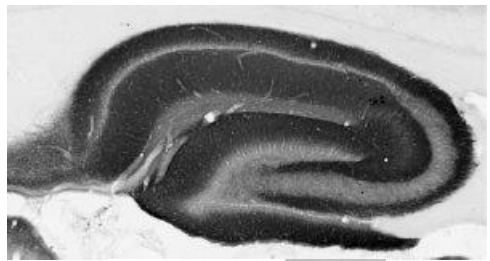
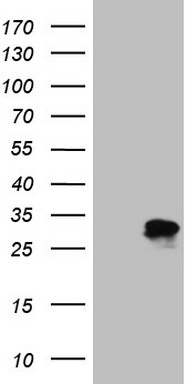
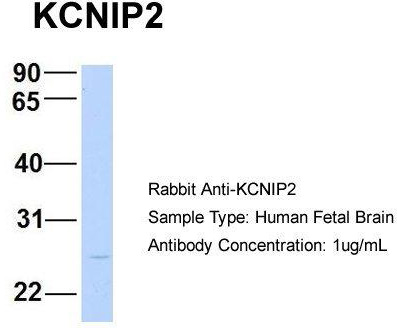
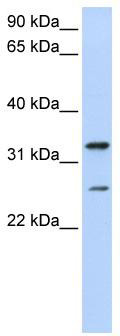
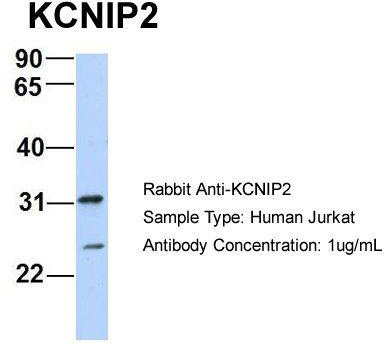
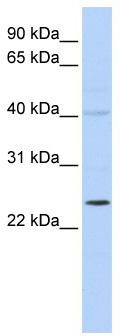
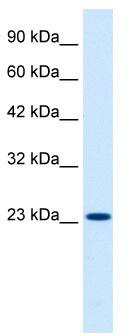
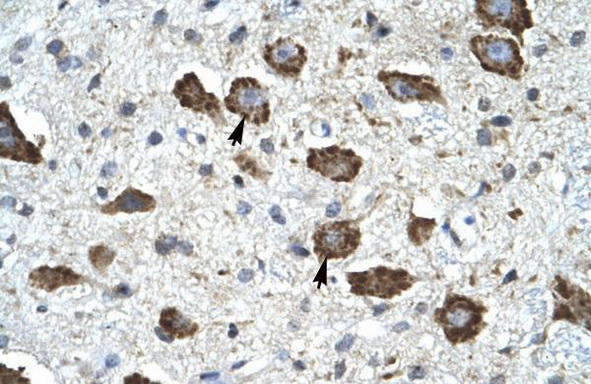
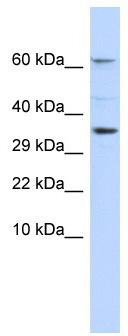
Western blot / Immunoblot (WB), Paraffin Sections (P), Enzyme Immunoassay (E), ELISA (detection) (E(detection)), Immunocytochemistry/Immunofluorescence (ICC/IF), Frozen Sections (C), Immunoprecipitation (IP)
Background of KCNIP2 antibody
Ion channels are integral membrane proteins that help establish and control the small voltage gradient across the plasma membrane of living cells by allowing the flow of ions down their electrochemical gradient (1). They are present in the membranes that surround all biological cells because their main function is to regulate the flow of ions across this membrane. Whereas some ion channels permit the passage of ions based on charge, others conduct based on a ionic species, such as sodium or potassium. Furthermore, in some ion channels, the passage is governed by a gate which is controlled by chemical or electrical signals, temperature, or mechanical forces.
There are a few main classifications of gated ion channels. There are voltage- gated ion channels, ligandgated, other gating systems and finally those that are classified differently, having more exotic characteristics. The first are voltage- gated ion channels which open and close in response to membrane potential. These are then separated into sodium, calcium, potassium, proton, transient receptor, and cyclic nucleotide-gated channels; each of which is responsible for a unique role. Ligand-gated ion channels are also known as ionotropic receptors, and they open in response to specific ligand molecules binding to the extracellular domain of the receptor protein. The other gated classifications include activation and inactivation by second messengers, inwardrectifier potassium channels, calcium-activated potassium channels, two-pore-domain potassium channels, light-gated channels, mechano-sensitive ion channels and cyclic nucleotide-gated channels. Finally, the other classifications are based on less normal characteristics such as two-pore channels, and transient receptor potential channels.
There are four member of the KChiPs (Kv4 potassium channel interacting protein) family. They are all EF handcontaining proteins required for the traffic of channelforming Kv4 K+ subunits to the plasma membrane. KChiP2 expression has been found to be significantly decreased in hypertrophy and heart failure, and does so thru modulatin of intracellular concentration and calcineurin/NFAT pathways. It has also been found that KChiP2 also functionally modulates the Cav1.2 goverened Ltype calcium channel through a direct interaction between KChiP2 and the amino-terminus of Cav1.2.
General readings
Kim,L.A., et al., (2004) J. Biol. Chem. 279 (7), 5549-5554







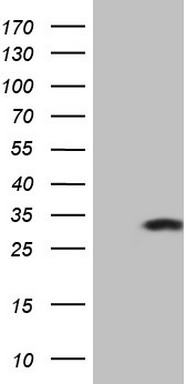
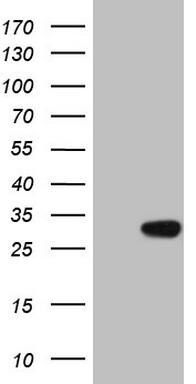
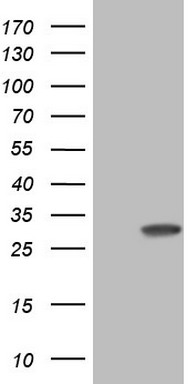
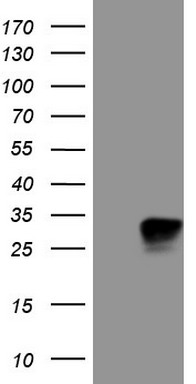
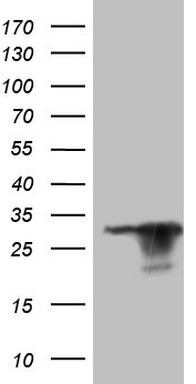
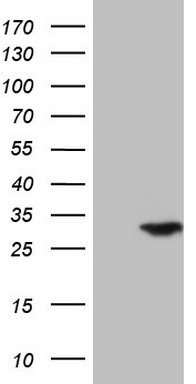
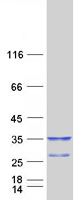
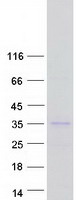
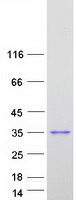
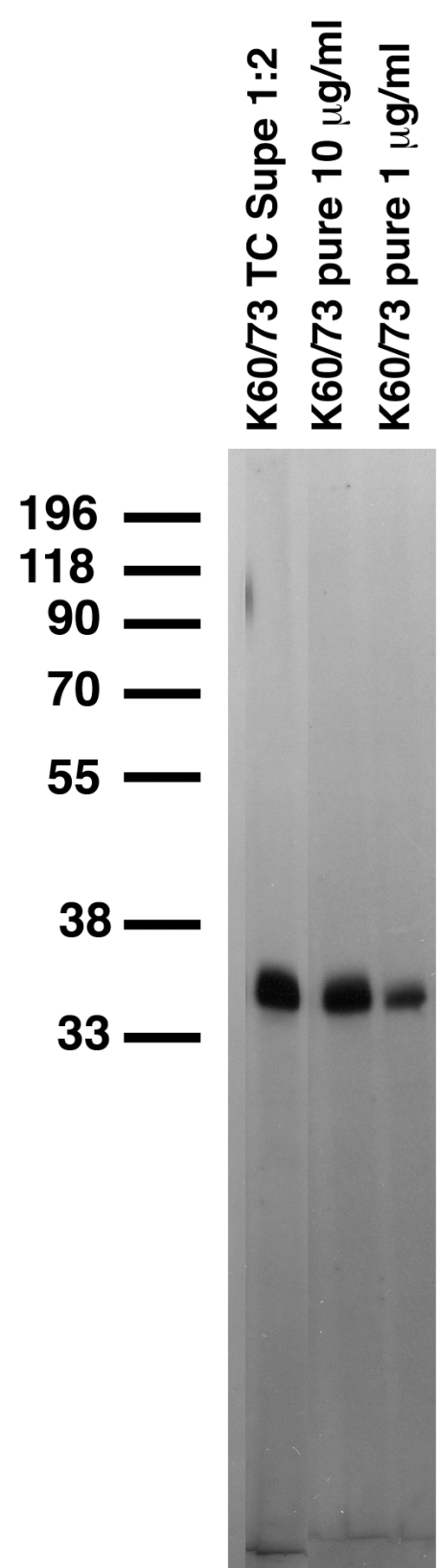

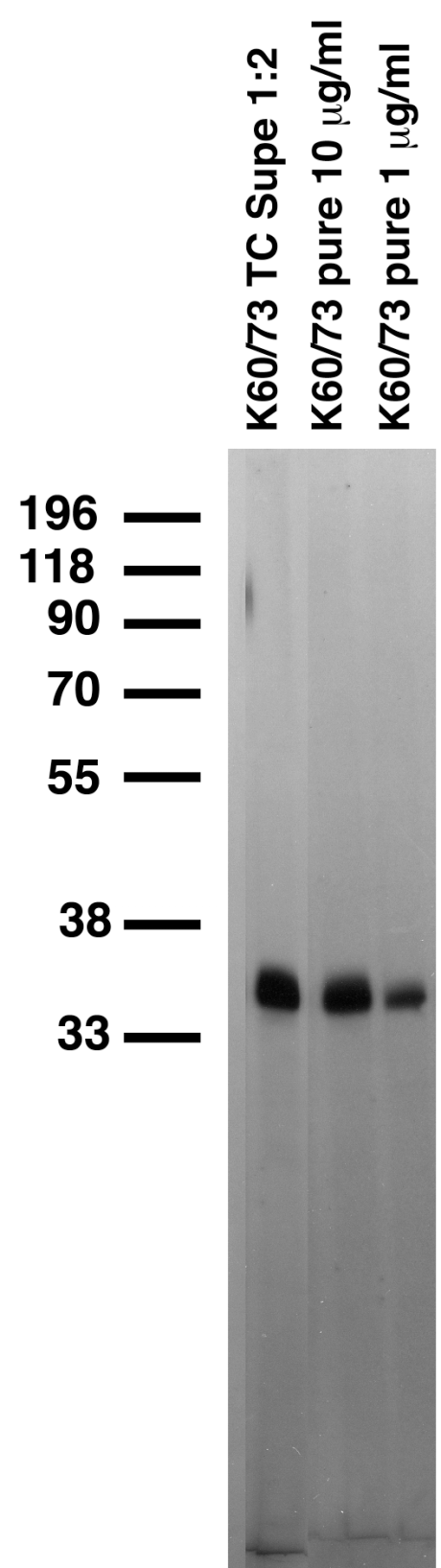
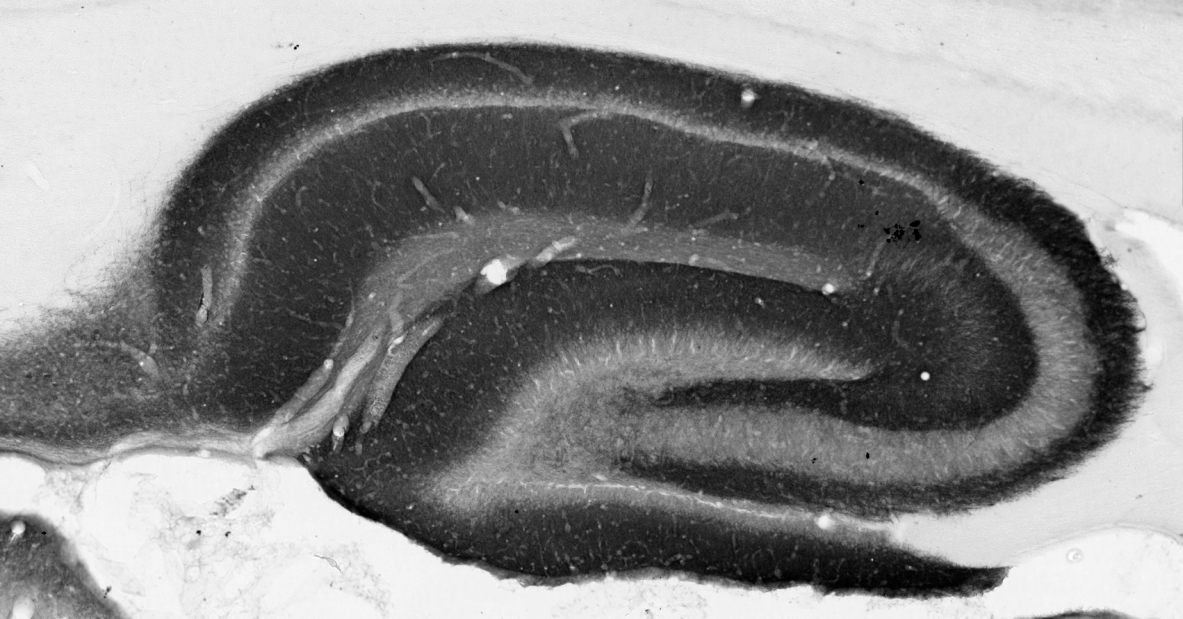


Primary Antibodies
| Catalog No. | Host | Iso. | Clone | Pres. | React. | Applications | |
|---|---|---|---|---|---|---|---|
| 73-004 | KCNIP2 antibody |
||||||
 |
Mouse | IgG1 | K60/73 | Supernatant | Hu, Ms, Rt | C, IP, WB |
5 ml /
$490.00
|
| Antibodies Incorporated | |||||||
 +1 additional image +1 additional image |
|
||||||
| 75-004 | KCNIP2 antibody |
||||||
 |
Mouse | IgG1 | K60/73 | Purified | Hu, Ms, Rt | C, IP, WB |
0.1 ml /
$570.00
|
| Antibodies Incorporated | |||||||
| +1 additional image |
|
||||||
