CD21 antibody
Principal name
CD21 antibody
Alternative names for CD21 antibody
Complement receptor type 2, CR2, C3DR, C3d receptor, EBV Receptor, Dendritic Cell Marker, Complement C3d receptor, Epstein-Barr virus receptor
Gene ID
1380 (CR2)
Ncbi ID
9606, 9615, 9913, NP_001006659, NP_004235, NM_001877, NP_001868, NM_001006658
Available reactivities
Available hosts
Available applications
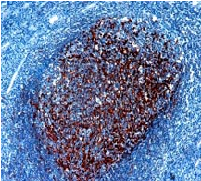
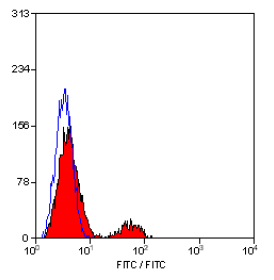
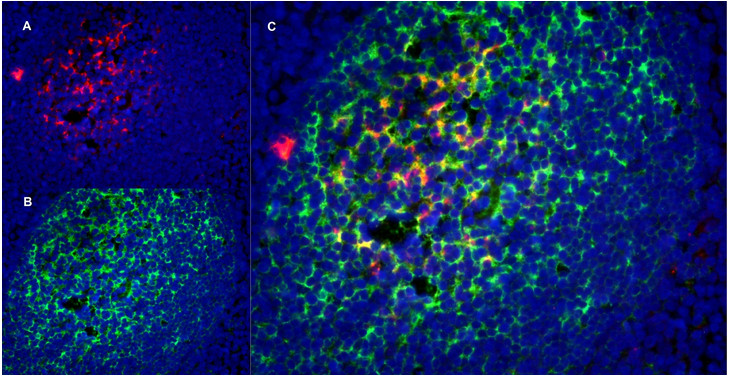
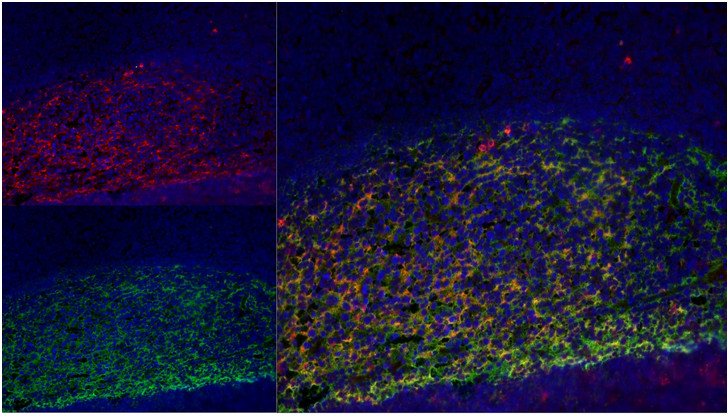
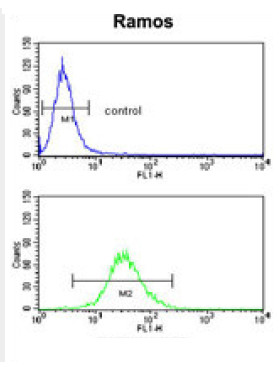
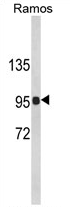
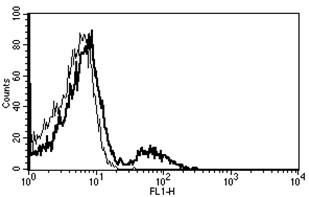
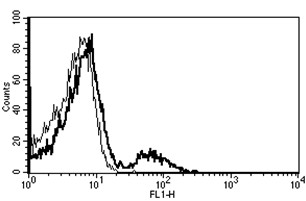
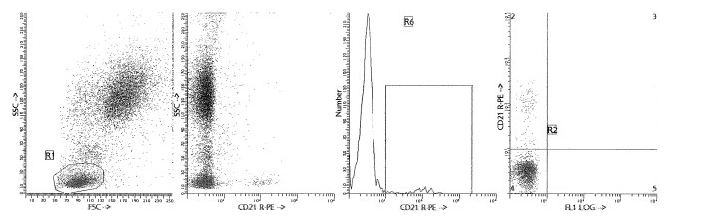
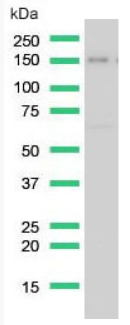
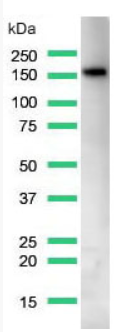
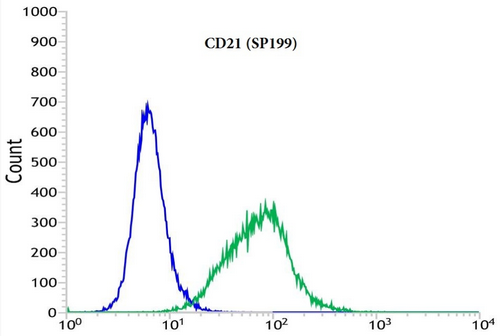
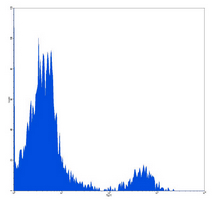
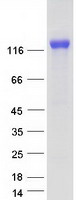
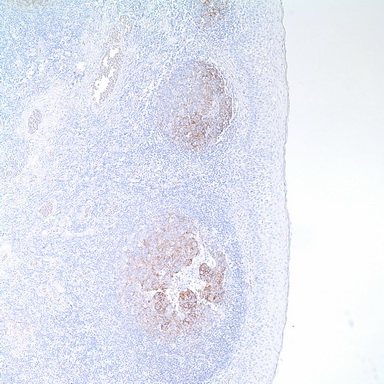
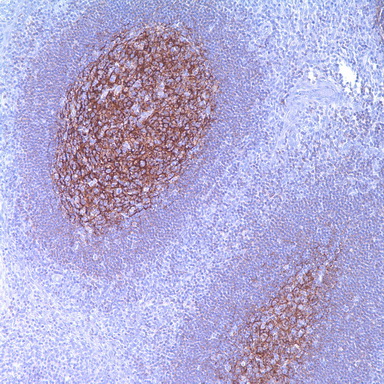
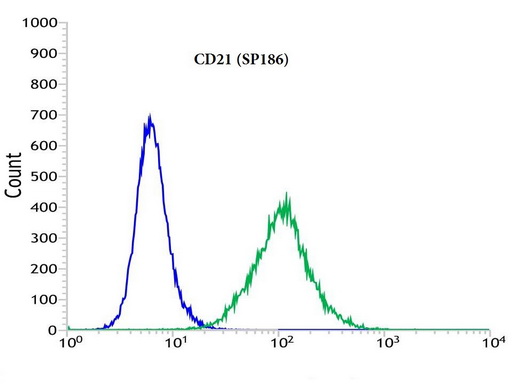
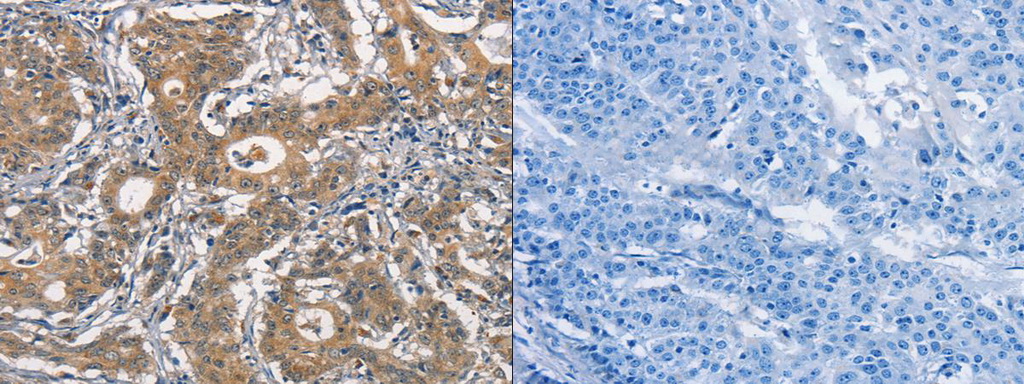
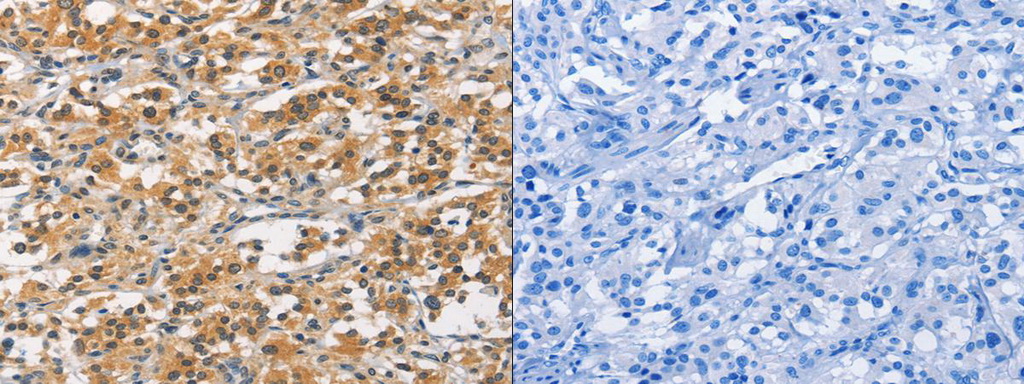
Paraffin Sections (P), Flow Cytometry (F), Immunocytochemistry/Immunofluorescence (ICC/IF), Frozen Sections (C), Immunoprecipitation (IP), Western blot / Immunoblot (WB), Functional assay (FN), Enzyme Immunoassay (E)
Selected product citations ‐ of AM08109RP-N
1. Rahe, MC;Murtaugh, MP. Interleukin-21 Drives Proliferation and Differentiation of Porcine Memory B Cells into Antibody Secreting Cells. PLoS ONE 2017, e0171171, 12, 1. PubMed PMID: 28125737.
Background of CD21 antibody
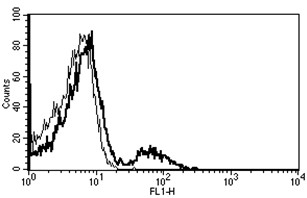
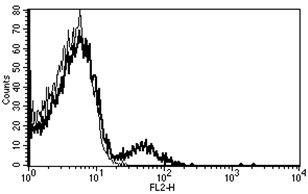
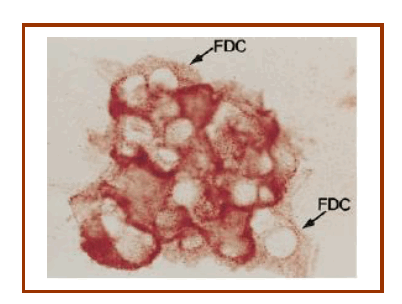
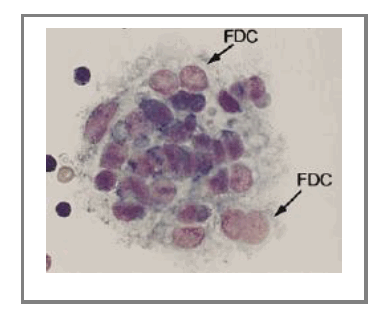
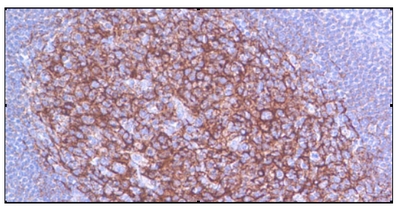
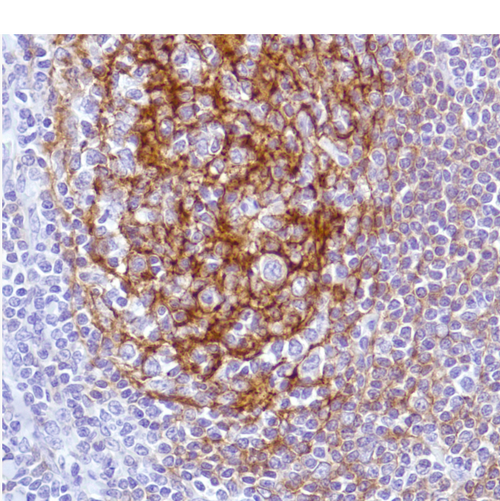
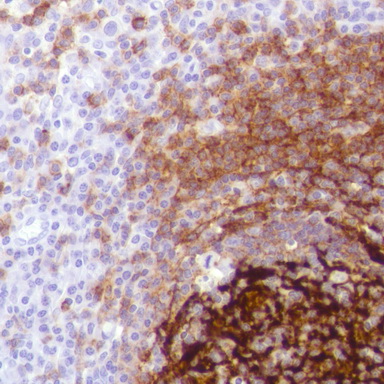
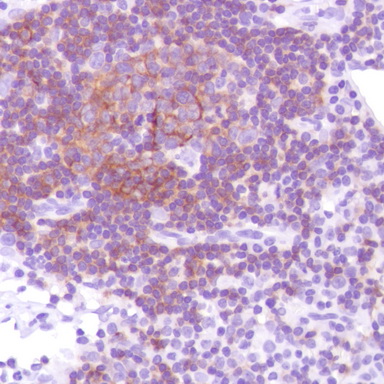
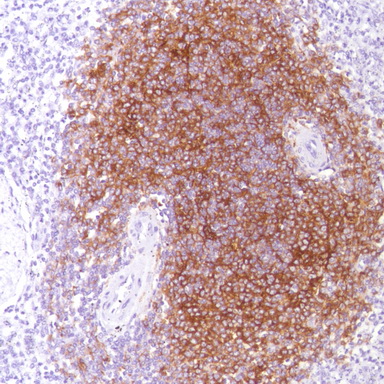
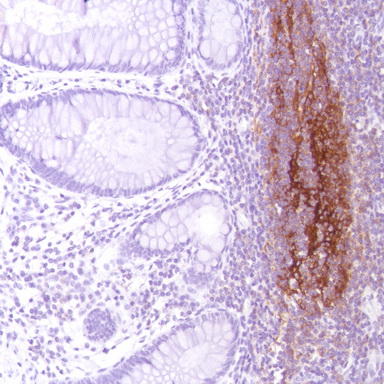
The CD21 antigen is expressed on mature B cells, follicular dendritic cells and pharyngeal and cervical epithelial cells [1,2]. CD21, also known as the Complement receptor type 2 (CR2) or Epstein-Barr virus (EBV) receptor, is a receptor for the C3 activation fragments iC3b and C3d. CD21 is part of a multimeric complex on B cells which includes CD19 and CD81 [3]. The ligand for CD21 is generated during activation of complement by the attachment of C3d to potential antigen. This creates fusion proteins that may cross-link the CD19-CD21-CD81 complex to sIg on antigen-specific B cells. The resulting signal transduction lowers the threshold for cellular activation. This enables an antibody reaction to natural protein antigens containing only one or a few epitopes and therefore unable to effectively cross-link Ig molecules on specific B cells. For example, keyhole limpet hemocyanin (KLH) immune complexes can be taken up and processed by all CR2-bearing B cells, regardless of their antigen specificity. KLH immune complexes taken up this way by non-specific B cells were shown to be presented to KLH-specific, MHC class II Th cells. CD23 may also serve as a ligand for CD21 [3].
General readings
1. Tedder T.F., L.T. Clement, and Cooper M.D.. Expression of C3d receptors during human B cell differentiation:
Immunofluorescence analysis with the HB-5 monoclonal antibody. J Immunol. 1984:133:678.
2. Denham, S., R.J. Zwart, J.T.D. Whittall, M. Pampusch, A.H. Corteyn, A.T.J. Bianchi, M.P. Murtaugh, R.M.E. Parkhouse, H.
Tlaskalova, J. Sinkora, M. Siinkora, and Z. Rehakova. 1998. Monoclonal antibodies putatively identifying porcine B cells.
Veter. Immunol. Immunopathol. 60:317-328.
3. Pescovitz, M. Personal communication.







Primary Antibodies
| Catalog No. | Host | Iso. | Clone | Pres. | React. | Applications | |
|---|---|---|---|---|---|---|---|
| AM31230AF-N | CD21 antibody |
||||||
 |
Mouse | IgG2a | B-E5 | Azide Free | Hu | F, FN |
0.2 mg /
$350.00
|
| OriGene Technologies GmbH | |||||||